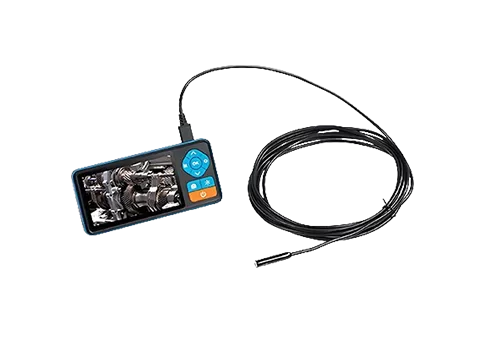
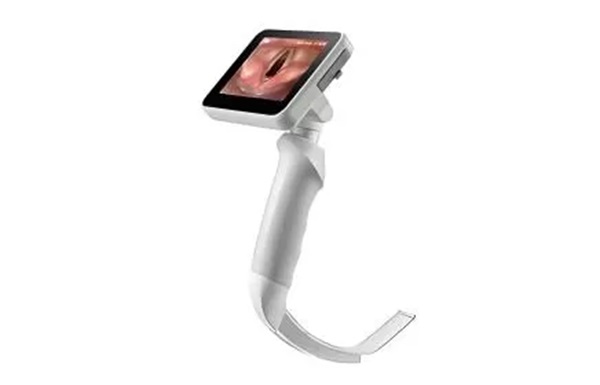
Early detection of respiratory cancer in pets can significantly improve their chances of successful treatment and recovery. Veterinary bronchoscopes play a crucial role in diagnosing such cancers at their earliest stages, providing veterinarians with the ability to examine the lungs and airways in detail. The veterinary bronchoscope is a vital tool that allows for high-definition, real-time imaging, which can identify abnormalities such as tumors or lesions that may indicate the presence of cancer. By integrating this technology into routine veterinary examinations, pet owners and healthcare providers can ensure more proactive and timely interventions, ultimately improving the quality of life for pets facing respiratory conditions.
How Veterinary Bronchoscopes Detect Early Signs of Respiratory Cancer
Veterinary bronchoscopes offer an invaluable method for detecting respiratory cancer early in pets. Unlike traditional imaging techniques such as X-rays, which may only provide limited views of the respiratory system, a veterinary bronchoscope allows for direct visualization of the airways and lungs. This enables veterinarians to spot subtle changes in the tissue that could signal the presence of cancer. Tumors in the airways or lungs are often difficult to detect without the ability to examine the interior structures in real time. With a veterinary bronchoscope, veterinarians can observe any irregularities in the respiratory tract, such as masses, unusual growths, or inflammation that could be early indicators of cancer. This capability makes it an essential tool for identifying respiratory cancer before it progresses to more advanced stages, providing a better opportunity for early intervention and treatment.
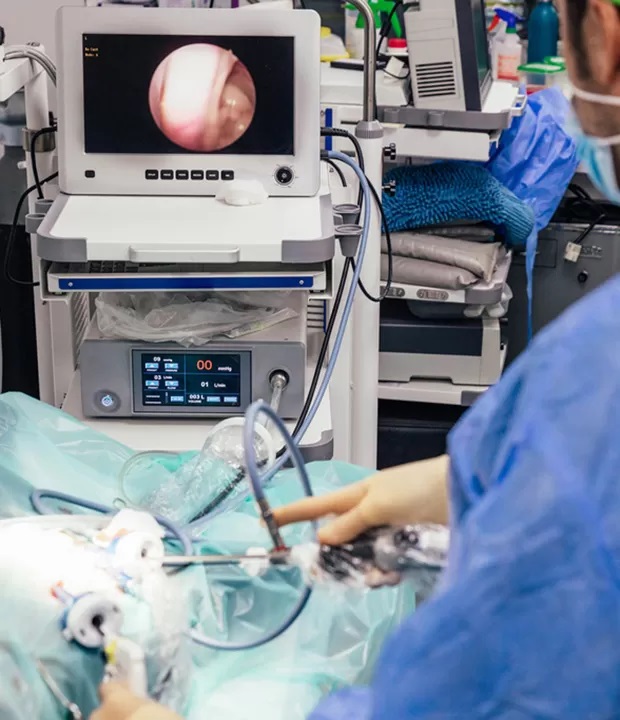
The Role of Veterinary Bronchoscopes in Biopsy and Diagnosis of Respiratory Cancer
Once suspicious lesions or tumors are identified during a bronchoscopy, the veterinary bronchoscope can be used to obtain biopsy samples for further analysis. This procedure is less invasive than traditional surgical biopsy methods and allows for more targeted tissue collection. MAIYIS veterinary bronchoscopes provide high-definition imaging and flexible operation for accurate airway examinations and biopsy procedures, helping veterinarians identify respiratory abnormalities and improve diagnostic efficiency. The ability to perform a biopsy using a bronchoscope directly in the airway means that veterinarians can diagnose respiratory cancer with a high level of accuracy. Early detection of cancer through bronchoscopy not only provides the necessary tissue samples for confirming the diagnosis but also helps determine the most appropriate treatment plan for the pet. Whether it's surgical removal, chemotherapy, or other forms of therapy, knowing the cancer type and its stage is crucial for formulating an effective treatment strategy.
Advantages of Veterinary Bronchoscopes Over Traditional Diagnostic Methods
Veterinary bronchoscopes offer several advantages over traditional diagnostic methods when it comes to diagnosing respiratory cancer. Unlike X-rays, which primarily show static images of the lungs and may not reveal small or early tumors, a veterinary bronchoscope provides dynamic, high-definition video of the airways and lungs, allowing for a much more thorough and detailed examination. Furthermore, traditional imaging methods often require pets to be sedated or undergo additional invasive procedures to gather sufficient diagnostic information. In contrast, bronchoscopies are minimally invasive and can often be performed with mild sedation, reducing the stress and recovery time for pets. This combination of real-time imaging and minimally invasive procedure makes the veterinary bronchoscope an excellent choice for identifying and diagnosing respiratory cancers in their early stages, before they become widespread or harder to treat.
Improving Prognosis with Early Diagnosis Through Veterinary Bronchoscopes
The earlier respiratory cancer is diagnosed, the better the prognosis for the pet. By using veterinary bronchoscopes as a tool for early detection, veterinarians can identify cancerous growths when they are still small and localized. Early-stage cancers are often more responsive to treatment, whether that involves surgery, radiation, or other therapeutic options. In cases where respiratory cancer has been detected at an advanced stage, the treatment options may be limited, and the prognosis can be much less favorable. By incorporating regular bronchoscopic exams into the healthcare routine for pets, especially those at higher risk for respiratory issues, veterinarians can help ensure that cancer is detected early, when treatment is most likely to be effective. This proactive approach not only improves the chances of successful treatment but also enhances the overall quality of life for pets who might otherwise suffer from untreated or late-stage respiratory cancer.
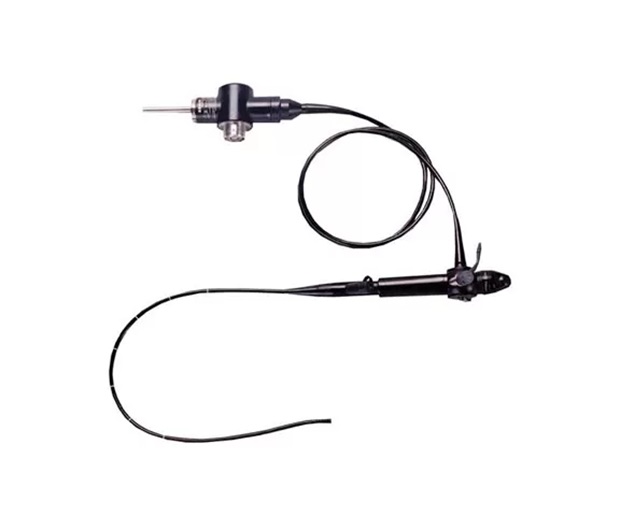
Veterinary Bronchoscopes vs. Traditional Imaging for Respiratory Cancer Detection
While traditional imaging tools such as X-rays and CT scans play important roles in detecting lung and airway conditions, they are not always sufficient for identifying early-stage respiratory cancer. The following table highlights the differences between veterinary bronchoscopes and traditional imaging techniques:
Feature | Veterinary Bronchoscope | Traditional Imaging (X-ray/CT Scan) |
Imaging Type | Real-time video imaging | Static, two-dimensional images |
Ability to Detect Small Tumors | Excellent at detecting small, early-stage tumors | May miss small tumors or masses |
Minimally Invasive | Minimally invasive with real-time access to airways | Requires sedation, potentially invasive for detailed views |
Accuracy in Diagnosis | High accuracy with visual inspection and biopsy | Limited accuracy; often requires additional tests for confirmation |
Speed of Diagnosis | Immediate feedback during the procedure | Results may take longer, especially if further imaging or procedures are needed |
Cost and Time Efficiency | More time-efficient for direct diagnosis | May require multiple tests or follow-ups |
As shown in the comparison, veterinary bronchoscopes provide more precise, real-time insights into the respiratory system, offering a clearer and more immediate diagnosis. Unlike traditional imaging techniques, bronchoscopes allow for a direct view of the lungs and airways, making them invaluable for early detection of respiratory cancers in pets.
Conclusion
The use of veterinary bronchoscopes in early detection of respiratory cancer is crucial for improving the health outcomes of pets. These advanced tools offer high-definition, real-time imaging that allows veterinarians to identify and biopsy early-stage tumors, providing critical information that guides treatment decisions. By incorporating veterinary bronchoscopes into routine pet care, veterinarians can detect respiratory cancer in its earliest and most treatable stages, greatly improving the chances of successful intervention and better prognosis for the pet. With the ability to perform minimally invasive procedures and obtain accurate diagnoses quickly, veterinary bronchoscopes play an essential role in the fight against respiratory cancer in pets, ensuring that they receive the best possible care.
References:
Veterinary Oncology and Cancer Treatment for Pets
Advancements in Veterinary Bronchoscopy for Respiratory Health
Early Detection of Respiratory Diseases in Pets