Modern vehicles and industrial transportation equipment feature highly complex body structures with numerous enclosed cavities designed to provide strength, reduce weight, and enhance safety. These hidden spaces — including chassis rails, A/B/C-pillars, rocker panels, door beams, roof frames, and weld zones — are critical to overall structural integrity. However, they are also highly vulnerable to hidden corrosion, moisture entrapment, coating failures, and mechanical stress that can remain undetected for years.
Left unchecked, these issues can compromise vehicle safety, accelerate structural weakening, lead to expensive warranty claims, and create serious liability concerns for manufacturers and fleet operators. Traditional inspection approaches often require cutting panels, removing trim, or partial disassembly, making them costly, time-consuming, and potentially damaging to the vehicle.
Industrial borescopes and Remote Visual Inspection (RVI) technologies have revolutionized body & hidden cavity inspection. These advanced tools allow engineers, quality control teams, and maintenance professionals to conduct thorough, non-destructive examinations through small existing access points or minimal drill holes, delivering clear visual evidence of internal conditions in real time.
This capability significantly enhances vehicle structural safety, enables proactive corrosion prevention, strengthens manufacturing quality control processes, and supports more accurate predictive maintenance strategies.
What Is Body & Hidden Cavity Inspection?
Definition of Body & Hidden Cavity Inspection
Body & hidden cavity inspection is the systematic visual examination of enclosed structural spaces within vehicle bodies and industrial equipment using specialized industrial borescopes and remote visual inspection tools. Unlike traditional methods that rely on external observation, this technique provides direct internal visibility into areas that are otherwise completely inaccessible without destructive intervention.
Primary inspection targets include door cavities and internal reinforcements, chassis structures and frame rails, roof frames and cross members, A/B/C-pillars, rocker panels, weld seams and joints, as well as drainage channels and anti-corrosion coating conditions. Automotive cavity inspection camera systems deliver high-definition imagery that reveals early signs of degradation long before they become visible externally.
Why Hidden Cavity Inspection Is Important
Regular hidden cavity inspection plays a vital role in maintaining long-term vehicle reliability and safety. It enables early detection of hidden corrosion that could otherwise compromise structural strength, particularly in safety-critical zones. By identifying issues proactively, manufacturers and operators can reduce major repair costs, improve overall structural integrity, support stringent automotive quality control standards, and prevent potential safety failures that might lead to accidents or regulatory issues.
| Inspection Objective | Operational Benefit |
|---|
| Corrosion detection | Extend vehicle lifespan |
| Weld inspection | Improve structural safety |
| Moisture monitoring | Prevent hidden rust |
| Coating verification | Improve manufacturing quality |
| Crack detection | Reduce structural failure risk |
Common Problems Found During Hidden Cavity Inspection
Hidden cavity inspection frequently uncovers serious issues that external inspections or standard diagnostic scans cannot detect. These problems often develop silently over time due to environmental exposure and manufacturing variables.
Hidden Corrosion and Rust Formation
Moisture retention in enclosed cavities accelerates oxidation, leading to widespread rust that weakens metal panels and structural members. This type of corrosion often begins at weld points or where drainage is inadequate, eventually causing panel perforation and loss of structural rigidity.
Weld Defects and Cracking
Manufacturing processes can leave incomplete weld penetration, micro-cracks, or stress concentrations that develop into fatigue cracks under repeated road stress. These defects are particularly dangerous in high-load areas like chassis rails and pillar reinforcements.
Coating and Paint Failures
Inadequate application of anti-corrosion coatings, peeling protective layers, or uneven thickness significantly reduces long-term resistance to rust. Borescope inspection reveals these inconsistencies clearly, allowing corrective action before vehicles leave the factory or during after-sales service.
Water Intrusion and Drainage Blockage
Blocked drainage holes or poor sealing allow water to become trapped inside cavities, creating ideal conditions for accelerated corrosion, mold growth, and electrical system contamination in nearby wiring harnesses.
Foreign Object Debris
Assembly debris, loose fasteners, or manufacturing residue left inside cavities can cause noise, vibration, or even accelerate wear on moving components and wiring.
Challenges of Traditional Body Inspection Methods
Conventional inspection techniques struggle to meet the demands of modern automotive manufacturing and maintenance standards.
Limited Accessibility
Enclosed vehicle structures, narrow internal pathways, and sealed weld zones make it extremely difficult for inspectors to reach critical areas using basic tools or mirrors.
Destructive Inspection Requirements
Many traditional methods require cutting access holes, removing interior panels, or partial disassembly, which increases labor costs, risks damaging trim or wiring, and compromises the vehicle’s original integrity.
Time-Consuming Manual Inspection
Manual checks are slow, subjective, and produce inconsistent results across different inspectors, leading to extended maintenance cycles and potential quality oversight.
Lack of Internal Documentation
Without reliable visual records, it becomes challenging to track defects for warranty purposes, demonstrate compliance, or monitor corrosion progression over multiple inspection intervals.
How Industrial Borescopes Improve Body & Hidden Cavity Inspection
Industrial borescopes have become indispensable for effective vehicle body cavity inspection and hidden corrosion inspection.
Non-Destructive Internal Vehicle Inspection
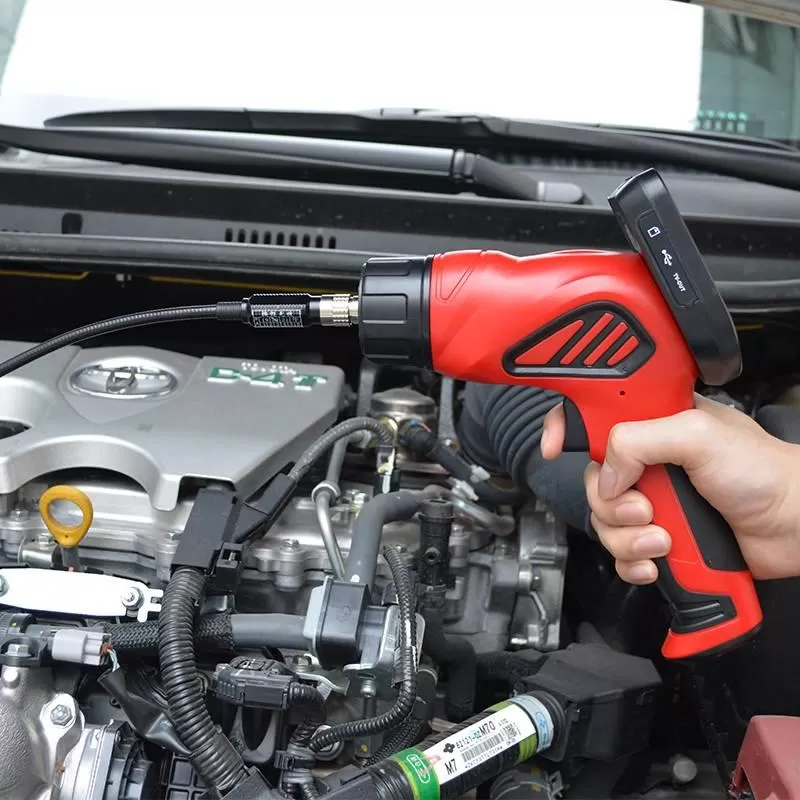
Industrial borescope body inspection allows technicians to insert compact probes through existing drain holes, grommet openings, or minimal access points. This delivers major benefits including significantly reduced downtime, lower overall inspection costs, faster diagnostic cycles, and substantially higher inspection accuracy without compromising vehicle structure.
High-Definition Imaging for Structural Defect Detection
Today's advanced systems offer HD/4K resolution, powerful LED illumination, digital zoom, and full image/video recording capabilities. These features ensure even microscopic corrosion, coating defects, or hairline cracks are clearly visible and properly documented.
| Detectable Issue | Inspection Capability |
|---|
| Corrosion | Surface degradation analysis |
| Weld defects | Structural integrity evaluation |
| Moisture intrusion | Water accumulation detection |
| Coating failure | Protective layer inspection |
| Debris contamination | Internal blockage detection |
Flexible Probe Navigation in Complex Structures
Articulated probe heads, long flexible insertion tubes, compact diameters, and multi-angle viewing capabilities enable inspectors to navigate the intricate geometries of vehicle body cavities with precision.
Digital Documentation and Predictive Maintenance
Comprehensive image archiving, professional inspection reporting, AI-assisted defect analysis, and long-term condition tracking transform hidden cavity data into actionable maintenance intelligence.
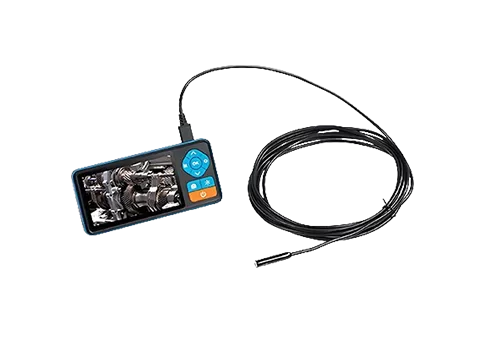
In modern automotive and industrial structural diagnostics, the use of an IPS handheld digital endoscope has significantly improved the efficiency and accessibility of hidden cavity inspection. With high-definition IPS display technology, engineers can view real-time internal conditions with enhanced color accuracy, brightness, and clarity even in low-light environments. This portable solution allows technicians to quickly inspect vehicle body cavities, chassis structures, and confined industrial spaces without relying on bulky equipment or external monitors. Compared with traditional inspection tools, the IPS handheld digital endoscope offers superior mobility, faster deployment, and more intuitive operation, making it ideal for field maintenance, quality control, and production line inspections.
Key Features to Look for in a Hidden Cavity Inspection Camera
Selecting the right best borescope for body cavity inspection is essential for consistent, reliable results.
Small Diameter Flexible Probe
Ultra-compact probes (often 4-8mm) provide access to narrow cavities while maintaining excellent reach and maneuverability deep within vehicle structures.
High-Resolution Imaging
HD/4K sensors combined with superior low-light performance ensure clear visibility in dark, confined spaces.
Articulation Capability
Advanced multi-direction articulation allows precise control and comprehensive viewing angles inside complex cavities.
Rugged Industrial Durability
Dust resistance, moisture protection, and heavy-duty construction ensure reliable performance in demanding workshop and production environments.
Recording and Connectivity Features
Wireless image transfer, cloud reporting, and digital inspection management systems streamline documentation and team collaboration.
Comparison Table:
| Feature | Basic Inspection Camera | Industrial Borescope |
|---|
| Imaging quality | Standard | HD/4K |
| Probe flexibility | Limited | Advanced articulation |
| Durability | Consumer-grade | Industrial-grade |
| Inspection depth | Short | Long-range |
| Reporting capability | Basic | Professional |
Applications of Body & Hidden Cavity Inspection Across Industries
Hidden cavity inspection delivers value across multiple sectors where structural integrity is paramount.
Automotive Manufacturing
Quality control teams use borescopes for weld quality verification, anti-corrosion coating checks, and production line quality assurance.
Vehicle Maintenance and Repair
Service centers rely on automotive hidden rust inspection camera technology for accurate structural diagnostics, insurance assessments, and pre-purchase evaluations.
Commercial Fleet Maintenance
Fleet operators perform regular chassis cavity inspection to manage corrosion risks and optimize vehicle lifecycle costs.
Rail and Transportation Systems
Rail carriage structures benefit from internal corrosion monitoring and structural integrity verification.
Industrial Equipment and Machinery
Heavy machinery manufacturers and maintainers inspect enclosed structural cavities for weld integrity and long-term durability.
Step-by-Step Hidden Cavity Inspection Workflow
Step 1 — Inspection PlanningIdentify critical inspection zones based on vehicle model, age, and environmental exposure, then map optimal access points.
Step 2 — Equipment SetupCalibrate the industrial borescope, select the appropriate probe, adjust lighting intensity, and configure recording parameters.
Step 3 — Internal Structure InspectionConduct systematic scanning for corrosion, evaluate weld integrity, check coating conditions, and document moisture or debris presence.
Step 4 — DocumentationCapture high-quality still images and video, classify defects by severity, and generate comprehensive inspection reports.
Step 5 — Maintenance DecisionDevelop targeted repair plans, schedule anti-corrosion treatments, and establish follow-up inspection intervals based on findings.
Future Trends in Body & Hidden Cavity Inspection Technology
AI-Based Corrosion Detection
Automated rust recognition, thickness measurement, and predictive structural analysis are making inspections faster and more consistent.
Robotic Inspection Systems
Autonomous cavity crawlers and remote-controlled borescope systems reduce manual effort in large-scale production or fleet environments.
Cloud-Based Inspection Platforms
Centralized digital records enable remote quality control collaboration and fleet-wide trend analysis.
Miniature Endoscope Camera Modules
OEM endoscope camera modules support embedded monitoring systems for next-generation vehicle designs and smart manufacturing.
Why Industrial Buyers Choose MAIYIS for Body & Hidden Cavity Inspection Solutions
Professional Industrial Borescope Manufacturer
MAIYIS specializes in industrial borescopes and advanced visual inspection technologies tailored for automotive structures, hidden cavity inspection, corrosion detection, and industrial quality control applications.
MAIYIS Product Categories
Industrial Borescope: HD structural inspection capability, flexible articulated probes, and proven industrial-grade durability.
Veterinary Endoscopes: Precision optical systems suitable for specialized diagnostics.
Endoscope Camera Module: OEM integration solutions and compact industrial imaging modules.
Endoscope Application Solutions: Customized inspection systems and industry-specific visual solutions.
MAIYIS Commitment to Quality and Innovation
MAIYIS maintains Quality through strict standards ensuring reliable performance, drives Innovation with continuous advancement in industrial imaging technology, builds Integrity via transparent long-term cooperation, implements comprehensive Quality Control across the full lifecycle from R&D to delivery, and demonstrates Social Responsibility through a strong commitment to sustainable industrial development.
Why Global Customers Work With MAIYIS
| MAIYIS Advantage | Customer Value |
|---|
| Industrial manufacturing | Long-term reliability |
| OEM/ODM capability | Customized solutions |
| Advanced imaging technology | Accurate diagnostics |
| Strict QC system | Stable product quality |
| Technical support | Faster deployment |
Explore MAIYIS Hidden Cavity Inspection Solutions
Looking for a reliable industrial borescope for body and hidden cavity inspection? MAIYIS provides professional-grade solutions for automotive structures, corrosion diagnostics, and industrial quality control.
Explore our Industrial Borescope, Endoscope Camera Modules, and customized inspection systems to dramatically improve inspection efficiency while reducing maintenance costs and enhancing structural safety.
Contact MAIYIS today for OEM/ODM cooperation, technical consultation, or tailored solutions for your vehicle body inspection requirements.