Water is the lifeblood of any modern infrastructure. Whether it is tap water for residential areas, municipal drinking water networks, commercial building supplies, or industrial clean water systems, ensuring the stable operation of water supply pipelines is critical.
Historically, inspecting these pipelines was a massive challenge. Traditional detection methods relied heavily on guesswork, acoustic sensors, or disruptive excavation. These outdated approaches resulted in high labor costs, inaccurate leak pinpointing, and prolonged water service interruptions. Today, modern visual inspection solutions—specifically pipe inspection cameras and borescope technology—have revolutionized pipeline maintenance. By allowing technicians to see exactly what is happening inside the pipes without digging, these tools ensure safer, more efficient, and highly reliable water distribution.
Why Water Supply Pipe Inspection Is Essential
Proactive maintenance is always more cost-effective than reactive repair. Regular water supply pipe inspection delivers immense value to municipalities, property managers, and facility engineers.
Prevent Water Leakage and Pressure Loss
Hidden underground or behind walls, micro-leaks can go unnoticed for months. Over time, these leaks result in massive water loss and significant drops in system pressure, forcing pumps to work harder and increasing energy consumption. Visual inspections help locate these hidden leaks early.
Maintain Water Quality and Hygiene
Clean water is non-negotiable. However, aging pipes can harbor sediments, rust, and bacterial biofilms that contaminate the water supply. Regular camera inspections ensure that the interior walls of the pipes are clean and free from hazardous buildup, safeguarding public health and meeting hygiene standards.
Extend Pipeline Service Life
Pipelines degrade over time due to environmental factors and constant water pressure. By routinely inspecting the lines, maintenance teams can identify early signs of wear, fatigue, or material degradation. Addressing these minor issues promptly extends the overall lifespan of the infrastructure and prevents catastrophic pipe bursts.
Reduce Emergency Repair Costs
Emergency repairs require premium labor rates, heavy machinery, and sudden water shutoffs that disrupt businesses and residents. Preventive maintenance through routine borescope inspection allows for scheduled repairs, drastically reducing unexpected downtime and emergency costs.
Common Problems Found in Water Supply Pipelines
Understanding what to look for is half the battle. Pipe inspection cameras are designed to quickly identify the most common—and costly—pipeline issues:
Internal Corrosion and Rust Build-Up
Particularly common in older metal pipes, internal rust not only weakens the pipe structure but also causes water discoloration ("brown water") and contamination.
Mineral Scale and Sediment Accumulation
In areas with hard water, calcium and magnesium deposits build up on the pipe walls. This scaling restricts water flow and reduces the internal diameter of the pipe.
Small Cracks and Joint Leakage
Ground movement, temperature fluctuations, and high water pressure can cause microscopic cracks or loosen pipe joints, leading to steady, hidden leaks.
Pressure Irregularities and Flow Restrictions
Debris or foreign objects accidentally introduced during construction or previous repairs can create severe bottlenecks, causing localized pressure spikes and flow drops.
Aging Pipe Materials
Older materials, such as cast iron or early PVC, become brittle over time. Inspections help assess the structural integrity of these aging materials to determine if a replacement is necessary.
How Water Supply Pipe Inspection Works
Modern visual inspection is a straightforward, non-destructive process that provides instant diagnostic data. Here is how professional technicians conduct inspections:
Insert Camera Through Access Point or Valve Opening
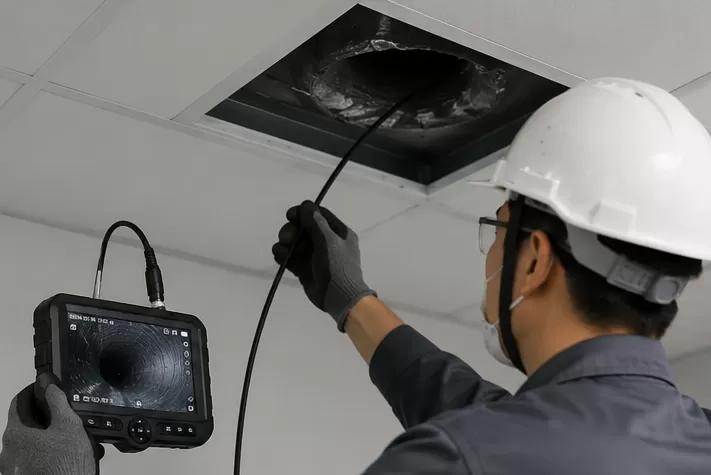
Instead of digging trenches, technicians insert a flexible pipe inspection camera or borescope through existing access points, such as hydrants, valves, or disconnected meter joints.
Real-Time Internal Pipe Imaging
As the probe moves through the pipeline, the high-definition camera transmits live video feeds to a handheld monitor. Powerful LED lights illuminate the dark interior, providing crystal-clear visibility using an industrial pipe inspection camera for accurate internal condition assessment.
Identify Damage, Deposits, or Leaks
The operator carefully examines the footage in real-time, easily spotting cracks, rust, blockages, or misaligned joints that are causing system inefficiencies.
Record Inspection Results for Maintenance Planning
The inspection footage and images are recorded and saved. These files serve as valuable data for generating maintenance reports, proving regulatory compliance, and planning targeted repairs.
Water Supply Pipe Inspection Applications
Visual inspection technology is highly versatile, serving a wide variety of water distribution networks:
Municipal Drinking Water Networks
Essential for city infrastructure, long-reach inspection cameras help water utility companies monitor main distribution lines, ensuring safe drinking water for thousands of residents while preventing massive municipal water loss.
Commercial Building Water Systems
Hotels, office towers, and shopping malls rely on steady water pressure for daily operations. Borescopes allow facility managers to inspect complex, multi-story plumbing networks without tearing down walls or ceiling panels.
Residential Community Water Pipelines
Property management companies use inspection tools to maintain neighborhood branch lines, quickly resolving tenant complaints regarding low water pressure or discolored water.
Industrial Clean Water Supply Lines
Manufacturing plants, food processing facilities, and pharmaceutical factories require ultra-clean water. Borescope inspections ensure that industrial water feed lines remain completely free of contamination and scaling.
Recommended Tools for Water Pipe Inspection
Choosing the right tool is vital for efficient maintenance. MAIYIS offers a comprehensive range of high-performance inspection equipment tailored for different water supply scenarios:
Pipe Inspection Borescope for Long Water Pipelines
Designed for municipal and industrial mains, these heavy-duty cameras feature long, rigid push rods capable of navigating deep into underground pipes. Equipped with HD imaging and self-leveling camera heads, they are the ultimate tool for long-distance diagnostic work.
Handheld Pipeline Borescope for On-Site Maintenance
Perfect for rapid deployment by repair teams, these portable units feature flexible probes and built-in screens. They allow technicians to instantly inspect valves, commercial plumbing, and tight junctions on the spot.
USB Borescope Camera for Routine Checks
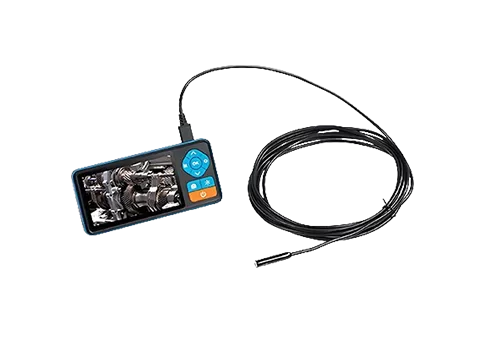
For lightweight, everyday inspections, MAIYIS USB borescopes connect directly to smartphones, tablets, or laptops. They are a cost-effective, highly convenient solution for quick visual checks of residential and exposed commercial pipes.
Benefits of Camera Inspection for Water Supply Pipes
Upgrading to visual inspection technology offers undeniable advantages for any maintenance team:
Non-Destructive Inspection Without Excavation
Diagnose issues without breaking ground, destroying landscaping, or tearing up concrete floors.
Faster Leak Detection and Problem Diagnosis
What used to take days of trial and error can now be identified with 100% accuracy in a matter of minutes.
Lower Maintenance Costs
By eliminating unnecessary excavation and pinpointing the exact location of the damage, repair teams save massive amounts of labor and material costs.
Reduced Water Loss and Service Disruption
Quickly locating leaks saves millions of gallons of water. Furthermore, precise repairs mean water services are shut off for hours instead of days.
Better Preventive Maintenance Planning
Recorded video data allows managers to track pipe degradation over time, shifting their strategy from reactive firefighting to smart, predictable maintenance.
How to Choose the Right Water Supply Pipe Inspection Equipment
For B2B buyers and maintenance directors, selecting the correct borescope ensures maximum ROI. Consider the following factors:
Pipe Diameter and Inspection Length
Ensure the camera head is small enough to navigate your pipe diameters but features a push rod long enough to reach the required distances without losing rigidity.
Waterproof and Durable Design
Water supply inspections require fully submersible equipment. Look for cameras with an IP68 waterproof rating and durable, scratch-resistant sapphire glass lenses.
Camera Resolution and Lighting
Dark, wet pipes require high-definition resolution (720p or 1080p) and adjustable, ultra-bright LED lighting to capture clear, actionable images.
Portability for Field Technicians
Equipment should be easy to transport, set up, and operate. Battery-powered units in rugged carrying cases are ideal for remote field operations.
Why Choose MAIYIS for Water Supply Pipe Inspection Solutions
When it comes to safeguarding critical water infrastructure, professionals trust MAIYIS. As a leading provider of advanced visual inspection technology, MAIYIS delivers B2B solutions designed for the rigors of the field:
High-Definition Image Quality: Capture every microscopic crack and rust spot with crystal-clear precision.
Stable and Durable Design: Built with robust materials and IP68 waterproofing to withstand high pressure and harsh underwater environments.
Flexible Probe Structures: Easily navigate complex pipe networks, tight bends, and P-traps.
Multi-Scenario Adaptability: From municipal mains to industrial clean rooms, MAIYIS has a specific tool for every water supply application.
Professional B2B Supply: We offer scalable purchasing options, reliable after-sales support, and customized OEM/ODM services for industry distributors and large-scale contractors.
Conclusion: Smarter Water Supply Pipe Inspection for Reliable Infrastructure
The stability of a water supply system directly impacts public health, commercial success, and industrial productivity. Relying on outdated, disruptive, and expensive excavation methods is no longer a viable option. Modern, smart visual inspection using pipe cameras and borescopes allows maintenance teams to detect leaks, monitor water quality, and extend pipe life—all non-destructively.
By integrating advanced tools into your maintenance protocols, you save time, reduce costs, and ensure a highly reliable water distribution infrastructure.
Ready to upgrade your pipeline maintenance strategy? Explore the full range of MAIYIS water supply pipe inspection solutions today, and contact our B2B sales team to find the perfect equipment for your specific needs.