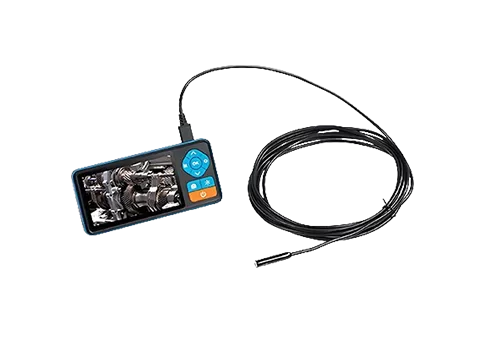
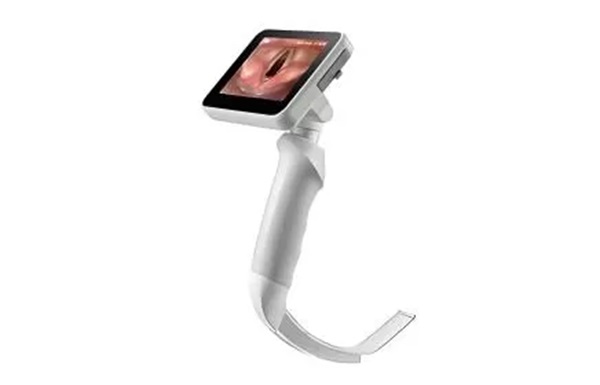
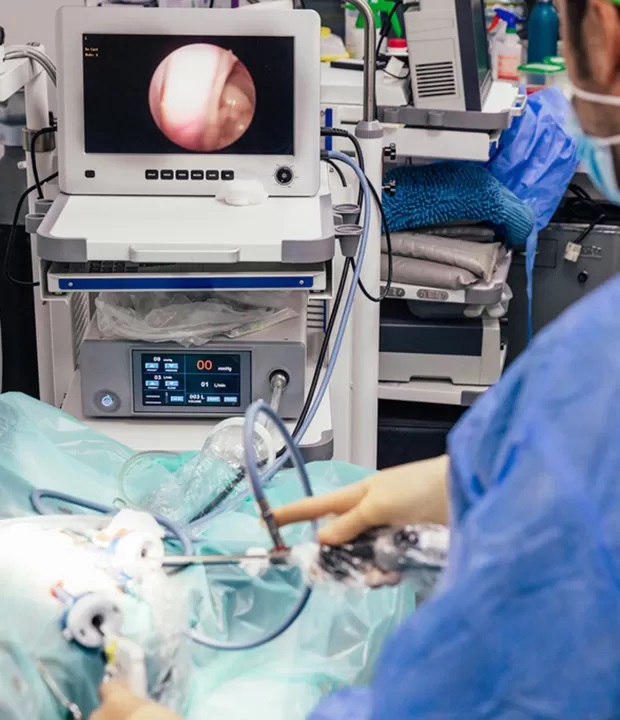
Modern engines operate under extreme conditions — intense heat, high pressure, constant vibration, and heavy mechanical loads. Whether powering vehicles on the road, aircraft in the sky, marine vessels across oceans, generators in power plants, or heavy machinery on job sites, engine reliability is critical to operational success, safety, and cost control.
Traditional inspection methods typically require partial or full engine disassembly. This leads to extended downtime, high labor expenses, potential introduction of new contaminants during reassembly, and reduced overall efficiency. Today, forward-thinking maintenance teams rely on industrial borescopes and Remote Visual Inspection (RVI) technologies. These tools enable quick, accurate, and completely non-destructive internal engine inspection through existing access ports.
What Is Engine Inspection?
Definition of Engine Inspection
Engine inspection is the systematic evaluation of the internal condition, wear patterns, and operational integrity of critical engine components using advanced diagnostic tools and high-resolution visual inspection technologies.
Key areas typically examined include cylinders, pistons, valves, combustion chambers, turbine blades, fuel injectors, cooling channels, and connecting components. The goal is to identify issues that are invisible from the outside but can significantly impact performance and longevity.
Why Engine Inspection Is Important
Regular and thorough engine inspection delivers substantial operational and financial advantages. It helps prevent unexpected breakdowns that can halt production lines or ground aircraft. By catching problems early, organizations extend engine lifespan, reduce overall maintenance costs, enhance safety for operators and passengers, and improve equipment reliability across the board.
| Inspection Objective | Operational Benefit |
|---|
| Crack detection | Prevent catastrophic failure |
| Carbon deposit inspection | Improve combustion efficiency |
| Corrosion monitoring | Extend engine lifespan |
| Wear analysis | Reduce maintenance costs |
| Foreign object detection | Prevent internal damage |
Common Problems Found During Engine Inspection
Industrial borescopes frequently reveal hidden issues that would otherwise remain undetected until failure occurs.
Carbon Deposits and Combustion Residue
Carbon buildup is extremely common in both gasoline and diesel engines. It restricts airflow, reduces combustion efficiency, increases fuel consumption, and can lead to incomplete burning, higher emissions, and potential knocking or misfiring. In turbine engines, residue on blades alters aerodynamics and reduces power output.
Cracks and Structural Damage
Thermal fatigue, vibration stress, and pressure cycles cause microscopic cracks in cylinder walls, turbine blades, and combustion chambers. These defects can propagate rapidly under load, leading to serious mechanical failure if not identified early.
Corrosion and Surface Wear
Exposure to moisture, corrosive fuels, inadequate lubrication, or harsh operating environments causes surface pitting, material degradation, and accelerated wear on pistons, valves, and bearings. In marine and industrial settings, corrosion is particularly aggressive.
Valve and Piston Damage
Abnormal wear patterns, overheating, scoring, or impact damage on valves and pistons directly affect compression, power delivery, and fuel efficiency. Early visual detection allows targeted repairs rather than full overhauls.
Foreign Object Damage (FOD)
Debris, broken parts, or ingested materials can cause severe damage to turbine blades or cylinder walls. In aviation especially, FOD is a major safety concern that borescope inspection helps identify before it leads to engine failure.
Challenges of Traditional Engine Inspection Methods
Conventional approaches create significant bottlenecks in modern maintenance operations.
Time-Consuming Engine Disassembly
Full or partial teardown is labor-intensive, requires specialized facilities and tools, and can take days or weeks. Every hour of downtime translates directly into lost revenue, especially in aviation, power generation, and heavy equipment sectors.
Limited Access to Internal Components
Many critical areas are deep inside narrow passages or complex geometries, making them nearly impossible to inspect thoroughly with traditional mirrors or basic lights.
High Maintenance Costs
Beyond labor and parts, disassembly increases the risk of accidental damage during reassembly and often requires replacement of gaskets and seals, driving up total costs substantially.
Incomplete Defect Documentation
Traditional methods often lack high-quality visual evidence, digital records, or consistent reporting standards, making it difficult to track wear trends over time or demonstrate compliance during audits.
How Industrial Borescopes Improve Engine Inspection
This section forms the core of the guide, explaining why industrial borescope for engine inspection has become indispensable.
Non-Destructive Remote Visual Inspection (RVI)
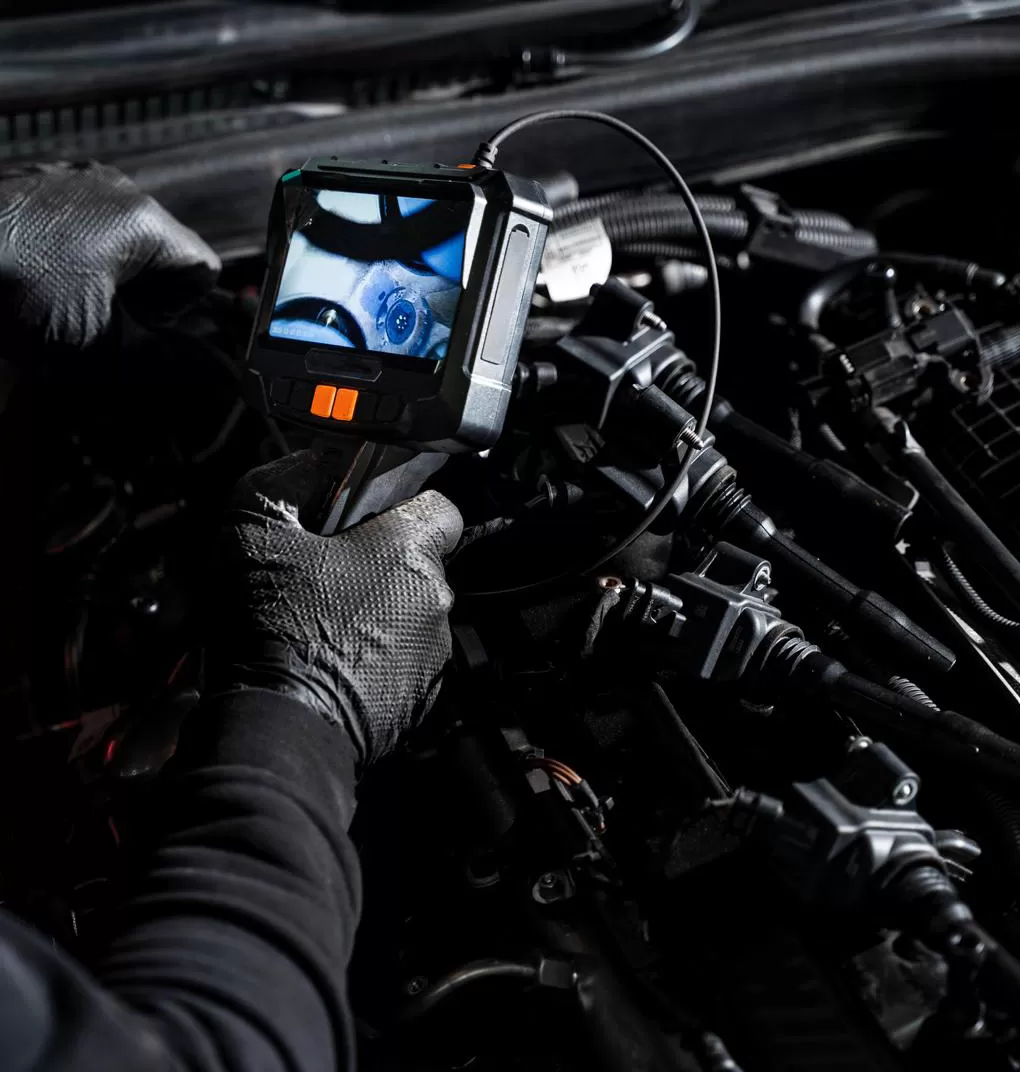
Industrial borescopes allow technicians to examine internal engine components through spark plug holes, access ports, or borescope-specific entries without any disassembly. This capability dramatically reduces downtime, lowers maintenance costs, accelerates diagnostic speed, and improves overall inspection thoroughness and accuracy.
High-Definition Imaging for Accurate Defect Detection
Today’s advanced systems deliver crisp HD or 4K resolution, powerful adjustable LED lighting, digital zoom, still photography, and high-quality video recording. These features make even microscopic cracks, early-stage corrosion, and subtle wear patterns clearly visible for detailed analysis.
| Detectable Defect | Inspection Capability |
|---|
| Cracks | Structural integrity assessment |
| Carbon deposits | Combustion analysis |
| Corrosion | Surface deterioration monitoring |
| Valve damage | Mechanical wear inspection |
| FOD damage | Safety risk prevention |
Flexible Probe Navigation in Complex Engine Structures
Small-diameter probes (often 4mm or less), highly articulated insertion tubes, multi-directional tip controls, and extended lengths enable inspectors to navigate tight bends, reach deep into cylinders, and view hidden surfaces from multiple angles with precision.
Digital Reporting and Predictive Maintenance
Modern borescopes support comprehensive image and video archiving, trend analysis across multiple inspections, AI-assisted defect highlighting, and seamless integration into cloud-based maintenance platforms. This data foundation allows organizations to shift from reactive repairs to true predictive maintenance strategies.
Key Features to Look for in an Engine Inspection Camera
Selecting the right engine inspection camera or industrial borescope is crucial for reliable results in demanding environments.
Small Probe Diameter
Narrow probes ensure compatibility with tight access points such as cylinder bores and fuel system ports while minimizing any risk of damage during insertion.
High-Resolution Imaging
HD/4K sensors with excellent low-light performance and sharp focus deliver the detail needed for accurate defect analysis.
Flexible Articulation
Advanced 4-way or 360° articulation allows precise navigation through complex internal engine geometries and optimal viewing angles.
Heat and Chemical Resistance
Probes must withstand high temperatures, oil, fuel, and chemical exposure while maintaining industrial-grade durability and waterproofing.
Recording and Connectivity Features
Wireless data transfer, onboard storage, cloud reporting, and professional documentation tools streamline workflows and support regulatory compliance.
Comparison Table:
| Feature | Consumer Inspection Camera | Industrial Borescope |
|---|
| Image Quality | Standard | HD/4K |
| Probe Flexibility | Limited | Advanced articulation |
| Durability | Consumer-grade | Industrial-grade (heat/chemical resistant) |
| Inspection Depth | Short | Long-distance |
| Reporting Capability | Basic | Professional |
Applications of Engine Inspection Across Industries
Engine borescope inspection serves diverse high-stakes sectors.
Automotive Industry
Cylinder inspection, preventive diagnostics during manufacturing quality control, and routine service center maintenance help maintain performance and emissions standards.
Aviation and Aerospace
Turbine engine inspection, blade damage analysis, and rigorous safety compliance checks are mandatory. Borescopes are standard tools for aviation maintenance, repair, and overhaul (MRO) operations.
Marine Engines
Corrosion monitoring in harsh saltwater environments and comprehensive propulsion system inspection ensure reliability during long voyages.
Power Generation Equipment
Gas and steam turbine inspections optimize maintenance schedules and maximize uptime for critical power infrastructure.
Heavy Machinery and Industrial Equipment
Diesel engine diagnostics, hydraulic system checks, and overall reliability assessments keep mining, construction, and manufacturing equipment running productively.
Step-by-Step Engine Inspection Workflow
Step 1 — Inspection PlanningReview engine service history, analyze potential defect patterns, and identify optimal access points.
Step 2 — Equipment PreparationCalibrate the borescope, adjust lighting and exposure settings, and prepare recording systems.
Step 3 — Internal Engine InspectionConduct systematic cylinder inspection, crack detection, valve assessment, and full component evaluation.
Step 4 — Documentation and ReportingCapture high-resolution images and video, classify defects by severity, and generate detailed maintenance reports.
Step 5 — Maintenance Decision and Repair PlanningPrioritize necessary repairs, develop preventive maintenance schedules, and plan follow-up inspections.
Future Trends in Engine Inspection Technology
The field continues to evolve with smarter, more automated solutions.
AI-Assisted Defect Recognition
Automated crack detection, wear pattern analysis, and predictive diagnostics reduce subjectivity and speed up decision-making.
Robotic Inspection Systems
Automated robots and remote-controlled borescopes improve consistency and safety in hazardous or hard-to-reach engine environments.
Cloud-Based Inspection Platforms
Centralized data management enables remote expert collaboration and sophisticated predictive maintenance programs.
Miniature Endoscope Camera Modules
Ultra-compact OEM endoscope camera modules support embedded diagnostics and integration into next-generation inspection robots.
Beyond engine diagnostics, modern industrial inspection technologies are widely extended to other complex internal systems, including fluid transport and infrastructure maintenance. Advanced pipeline inspection endoscope solutions are increasingly used for detecting internal corrosion, blockage, leakage, and structural wear inside industrial pipelines that share similar inspection challenges with engine systems. By leveraging high-resolution optical systems and flexible probe designs, these tools improve visibility in confined and hazardous environments, enabling faster fault detection and more reliable maintenance decisions across multiple industries.
Why Industrial Buyers Choose MAIYIS for Engine Inspection Solutions
Professional Industrial Borescope Manufacturer
MAIYIS specializes in high-performance industrial borescopes and advanced visual inspection technologies designed for engine diagnostics, aerospace, automotive, marine, power generation, and other demanding applications. The company delivers industrial-grade engineering, full OEM/ODM capabilities, customized solutions, and reliable global B2B support.
MAIYIS Product Categories
Industrial Borescope: HD imaging, flexible articulation, long-reach probes, and robust durability.
Veterinary Endoscopes: Precision optics with reliable performance.
Endoscope Camera Module: Compact HD modules perfect for OEM integration and robotics.
Endoscope Application Solutions: Tailored systems addressing specific industry inspection challenges.
MAIYIS Commitment to Quality and Innovation
Quality ensures stable, dependable performance through precision engineering. Innovation drives continuous development of advanced vision technologies. Integrity builds long-term transparent partnerships. Strict Quality Control spans the entire lifecycle, while Social Responsibility emphasizes sustainable manufacturing practices.
Why Global Customers Work With MAIYIS
| MAIYIS Advantage | Customer Value |
|---|
| Industrial-grade manufacturing | Long-term reliability |
| OEM/ODM capability | Customized solutions |
| Advanced imaging technology | Accurate inspections |
| Strict quality control | Consistent product quality |
| Technical engineering support | Faster deployment |
Explore MAIYIS Engine Inspection Solutions
Looking for a reliable industrial borescope supplier for engine inspection projects? MAIYIS provides professional visual inspection solutions engineered for the most demanding automotive, aviation, and industrial environments.
Explore MAIYIS industrial borescopes, endoscope camera modules, and customized engine inspection systems to dramatically improve maintenance efficiency while reducing operational downtime and costs.
Contact the MAIYIS team today to discuss OEM/ODM cooperation, technical specifications, or tailored engine inspection solutions for your specific industry needs.