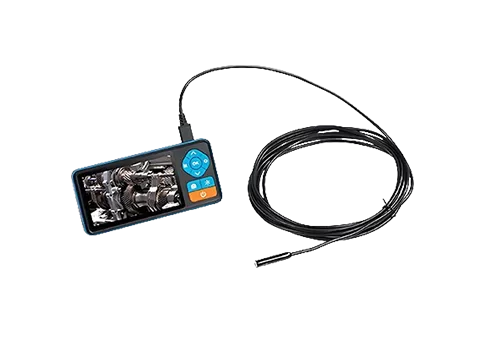
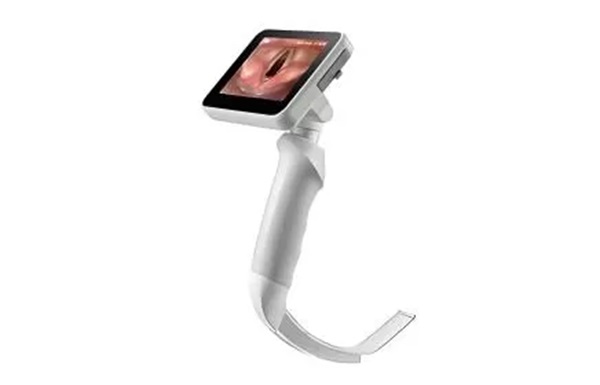
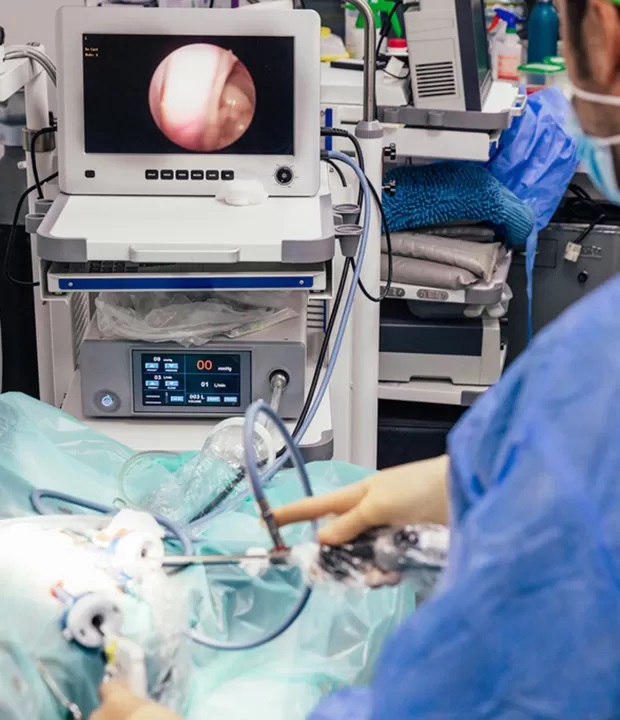
In the modern industrial and commercial landscape, maintaining optimal air quality and system efficiency is no longer just an operational preference—it is a strict regulatory requirement. As commercial buildings, heavy manufacturing facilities, hospitals, and hyper-scale data centers become increasingly reliant on complex HVAC (Heating, Ventilation, and Air Conditioning) systems, the importance of comprehensive air duct inspection has reached unprecedented levels.
Historically, inspecting the labyrinth of ventilation ductwork was a labor-intensive, costly, and disruptive process. Traditional methods often required dismantling sections of the ductwork, leading to extended facility downtime and skyrocketing maintenance costs. Furthermore, manual inspections pose significant safety risks and often yield incomplete data. Today, the industry is experiencing a massive paradigm shift. Remote Visual Inspection (RVI) using advanced industrial borescopes has emerged as the definitive solution. By utilizing a high-definition pipeline inspection borescope, maintenance teams can now navigate deep into complex ductwork, instantly reducing downtime, lowering maintenance costs, and pinpointing defects with absolute precision.
What Is Air Duct Inspection?
To effectively manage an HVAC system, facility managers must first understand the fundamental scope of ductwork diagnostics. This process goes far beyond merely checking for airflow; it is a critical component of mechanical integrity management.
Definition of Air Duct Inspection
Air duct inspection is the systematic, non-destructive process of evaluating the internal physical condition and cleanliness of HVAC ventilation networks. Utilizing specialized air duct inspection equipment, such as articulated industrial endoscopes, technicians visually assess the inaccessible inner cavities of the ductwork.
The primary objectives of a professional air duct inspection include the precise detection of airflow blockages, structural corrosion, heavy dust accumulation, microbial contamination (such as mold), structural damage to seals and seams, and the presence of foreign object debris (FOD). By identifying these issues early, facilities can implement targeted maintenance rather than reactive repairs.
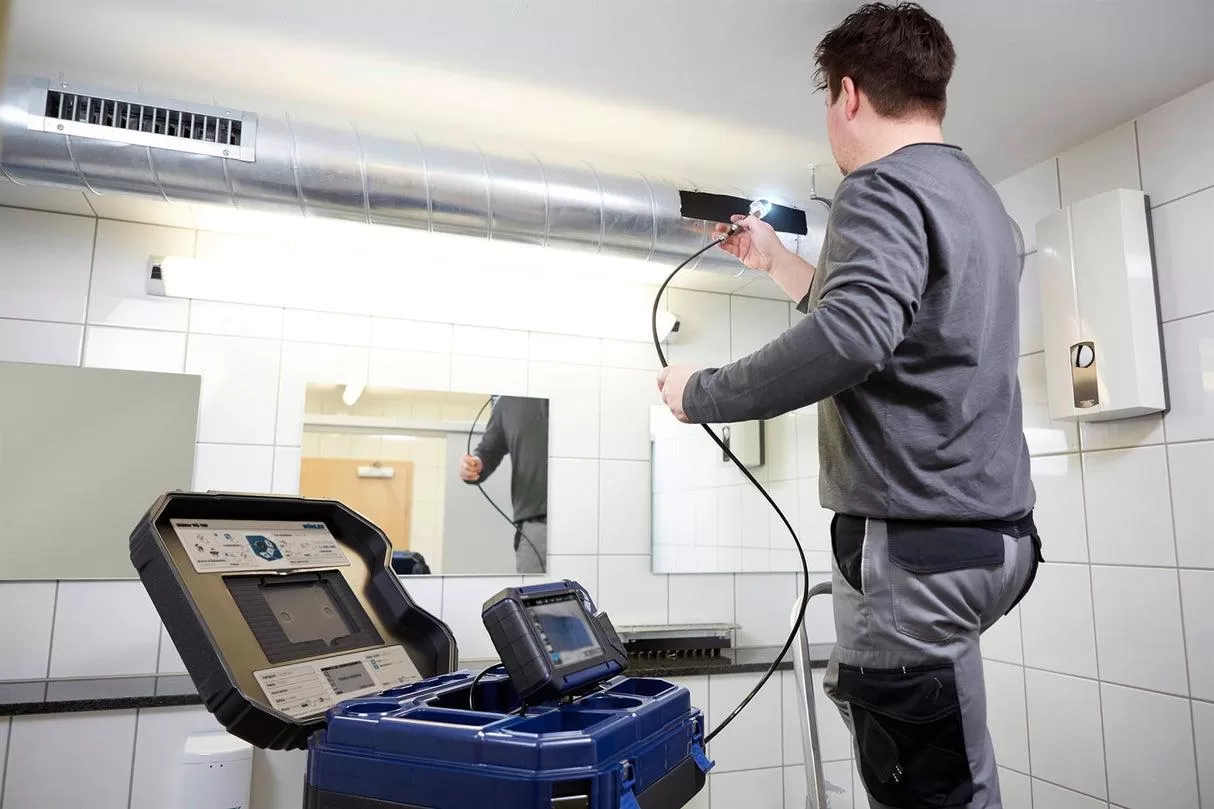
Why Air Duct Inspection Matters in Industrial and Commercial Facilities
The health of an HVAC system directly impacts the operational viability of an entire building. Regular ductwork inspection is essential for several critical reasons:
Indoor Air Quality (IAQ): Poorly maintained ducts become breeding grounds for bacteria, mold, and allergens, directly threatening the health of building occupants and violating occupational safety standards.
Energy Efficiency: Even a minor accumulation of dust or a small leak can force HVAC motors to work significantly harder to maintain airflow, drastically increasing energy consumption and utility bills.
Regulatory Compliance: Facilities such as hospitals, cleanrooms, and food processing plants are subject to strict air quality regulations. Verifiable inspection data is required to pass compliance audits.
Preventive Maintenance: Identifying early-stage corrosion or minor weld failures allows for scheduled repairs, preventing catastrophic system failures during peak operational hours.
Fire Hazard Prevention: In manufacturing and commercial kitchens, the accumulation of combustible dust or grease within exhaust systems presents a severe fire hazard that must be monitored and mitigated.
Table: Inspection Objectives and Operational Benefits
| Dust accumulation detection | Improved indoor air quality and reduced respiratory risks |
| Corrosion and structural inspection | Prevent sudden system failure and extend HVAC lifespan |
| Air leak and seal detection | Reduce energy loss and lower operational costs |
| Mold and moisture detection | Ensure stringent health, safety, and hygiene compliance |
| Foreign object (FOD) inspection | Prevent severe airflow blockage and fan motor damage |
Common Challenges in Traditional Air Duct Inspection
Before the widespread adoption of the industrial borescope for air duct inspection, maintenance teams faced a multitude of logistical and financial hurdles. The physical realities of HVAC systems make traditional manual inspections highly inefficient.
Limited Accessibility Inside Duct Systems
Modern architectural designs often conceal HVAC ducts behind walls, above suspended ceilings, or beneath floors. These ventilation networks are characterized by incredibly long insertion distances, sharp 90-degree bends, and extremely narrow spaces. For a human inspector, accessing these high-altitude pipelines or navigating through complex duct geometry is physically impossible without causing structural damage to the building.
High Labor and Downtime Costs
When accessibility is limited, the only traditional recourse is system disassembly. Tearing down drywall or dismantling metal duct segments requires a massive investment in labor. More importantly, shutting down the HVAC system means commercial buildings or manufacturing floors must pause operations. In environments like semiconductor fabs or high-traffic shopping malls, even a few hours of downtime can result in unacceptable financial losses.
Safety Risks for Maintenance Teams
Manual duct inspection forces personnel to work in high-risk environments. Technicians are frequently exposed to confined spaces with poor ventilation, precarious high-altitude environments, and hazardous chemical residues. The concentrated exposure to industrial dust and potential asbestos in older buildings poses severe long-term health risks to maintenance crews.
Inaccurate Manual Inspection Methods
Even when an access point is created, relying on the naked eye or basic flashlights yields severely limited results. Traditional methods lack the ability to record high-resolution visual evidence, making it difficult to track the degradation of a duct over time. Without comprehensive data recording, maintenance decisions are often based on guesswork rather than empirical evidence.
How Industrial Borescopes Improve Air Duct Inspection
To overcome the severe limitations of manual methods, facility managers are turning to advanced RVI technologies. A professional duct inspection camera is no longer a luxury; it is a fundamental tool for modern facility management. Modern industrial endoscope inspection camera systems provide high-definition remote visual inspection capabilities that allow technicians to inspect deep and complex HVAC duct networks with exceptional accuracy and minimal system disruption. Here is how industrial borescopes are revolutionizing the industry.
Remote Visual Inspection (RVI) Without System Disassembly
The most profound advantage of an industrial borescope is its ability to perform comprehensive visual diagnostics without tearing apart the HVAC system. Technicians can insert the flexible probe through existing vents, access panels, or small drill holes. This non-destructive approach instantly eliminates the high labor costs associated with disassembly. By utilizing remote visual inspection for HVAC, facilities can conduct real-time video assessments while keeping the system operational or enduring only minimal downtime, significantly lowering the total cost of maintenance.
High-Definition Imaging for Accurate Defect Detection
When inspecting dark, dirty environments, visual clarity is paramount. The best industrial borescopes for air duct inspection feature HD or 4K camera modules equipped with ultra-bright, adjustable LED illumination. These high-definition optics, combined with digital zoom capabilities, allow inspectors to spot micro-cracks in welds, evaluate the severity of rust, or identify precise moisture entry points. The ability to capture crystal-clear images and videos ensures that no defect goes unnoticed.
Detectable Issues and Inspection Capabilities
| Corrosion & Rust | High-contrast surface crack and material degradation visibility |
| Dust Accumulation | Volumetric assessment for airflow obstruction analysis |
| Weld Defects | Close-up structural integrity checks on metal seams |
| Moisture & Condensation | Early mold risk identification and leak source tracing |
| Foreign Objects (FOD) | Visual confirmation for immediate preventive maintenance |
Flexible Probe Design for Complex Duct Geometry
HVAC systems are rarely straight lines. An industrial endoscope designed for HVAC systems relies on highly flexible insertion probes that can travel long distances. Advanced models feature mechanical or motorized articulation, allowing the camera tip to pan and tilt in multiple directions (e.g., 360-degree articulation). This flexibility enables the camera to seamlessly navigate through tight corners, T-junctions, and sudden drops, adapting flawlessly to complex duct geometries.
Digital Documentation and Predictive Maintenance
Modern borescopes are sophisticated data collection tools. Technicians can capture localized images, record continuous video, and add text annotations directly on the device. This digital documentation is stored securely and can be exported to generate comprehensive inspection reports. Over time, these archived visual records allow engineers to track the deterioration rate of specific duct sections, enabling a highly efficient predictive maintenance workflow that replaces parts exactly when needed—neither too early nor too late.
Key Features to Look for in an Air Duct Inspection Camera
Not all inspection cameras are created equal. When selecting an air duct inspection camera for commercial buildings or industrial use, specific technical parameters must be evaluated to ensure it meets the demands of the job.
Probe Diameter and Working Length
The physical dimensions of the probe dictate where the camera can go. A small probe diameter ensures compatibility with narrower secondary ducts and tight access ports. Furthermore, the working length is critical; HVAC networks often require long-distance inspection capabilities, meaning a probe length of 5 meters, 10 meters, or more is frequently necessary to traverse typical commercial ventilation shafts.
Image Resolution and Illumination
A dark duct absorbs light rapidly. Look for equipment that offers true HD or 4K resolution coupled with powerful, adjustable LED lighting. Excellent low-light performance and anti-glare technology are crucial for preventing blown-out highlights when inspecting highly reflective galvanized steel ducts.
Articulation and Navigation Capability
A rigid push-rod camera will fail at the first sharp bend. Professional borescopes feature advanced 2-way or 4-way articulation, controlled via a joystick on the handset. This allows the operator to steer the camera head precisely, looking back at duct walls or navigating around obstacles in multi-bend environments.
Durability and IP Protection
Industrial environments are unforgiving. A professional pipeline inspection borescope must feature an industrial-grade build. An IP67 or higher rating is mandatory, ensuring the probe is completely dustproof and waterproof. The insertion tube should be coated with durable materials like tungsten braiding to resist abrasion from sharp metal duct edges.
Recording and Connectivity Functions
The value of an inspection lies in the data. Top-tier devices offer seamless video recording, wireless transmission (Wi-Fi) to tablets or smartphones, and easy USB export. These features streamline the process of transferring evidence from the field to the maintenance reporting software.
Feature Comparison: Consumer vs. Industrial Borescope
| Image Quality | Low / Grainy | HD / 4K with advanced low-light processing |
| Articulation | None / Limited | Advanced 360° joystick-controlled steering |
| Recording | Basic SD card | Professional reporting, wireless export |
| Durability | Consumer-grade plastic | Industrial-grade, IP67, Tungsten-braided |
| Inspection Depth | Short (1-2 meters) | Long-range (up to 30 meters or more) |
Applications of Air Duct Inspection Across Industries
The demand for reliable ventilation inspection cameras spans a wide variety of critical industries, each with unique compliance and operational requirements.
Commercial Buildings
In office towers, shopping malls, and large hotels, maintaining a comfortable and healthy environment is paramount. Regular air duct inspections ensure that large-scale HVAC systems distribute clean air efficiently, preventing "Sick Building Syndrome" and maximizing the lifespan of expensive climate control assets.
Manufacturing Facilities
Heavy industries generate immense amounts of particulate matter. Factories rely on robust exhaust systems for dust control and clean airflow management. Inspecting these ducts is critical to prevent hazardous material buildup, ensure worker safety, and comply with strict environmental exhaust regulations.
Hospitals and Cleanrooms
In healthcare and pharmaceutical manufacturing, airborne contamination can be deadly. Air ducts in these facilities utilize specialized HEPA ventilation. Frequent inspections using sterilized borescopes are mandatory to ensure absolute sterility compliance and to monitor the integrity of the filtration systems.
Data Centers
Data centers house millions of dollars in sensitive server equipment that generates massive heat. Cooling efficiency is the lifeblood of these facilities. Ductwork inspections prevent airflow blockages and overheating, ensuring that the critical temperature and humidity thresholds required by servers are strictly maintained.
Power Plants and Energy Facilities
In the energy sector, ventilation reliability can mean the difference between a safe operation and a catastrophic hazard. Preventive maintenance through regular visual inspection ensures that exhaust and cooling ducts remain structurally sound under extreme industrial conditions.
Air Duct Inspection Workflow Using Industrial Borescopes
To maximize E-E-A-T and ensure precision, professional technicians follow a standardized remote visual inspection workflow.
Step 1 — Pre-Inspection Planning
Before deploying the equipment, inspectors conduct a thorough review of the HVAC duct layout blueprints. They strategically select access points (vents, junctions, or service panels) to maximize inspection coverage while minimizing physical intrusion.
Step 2 — Equipment Setup
The technician selects the appropriate probe length and calibrates the industrial borescope. Lighting parameters and white balance are adjusted based on the specific material of the duct (e.g., reflective metal vs. insulated lining) to ensure optimal image capture.
Step 3 — Internal Visual Inspection
The probe is carefully navigated into the duct system. The operator uses the joystick articulation to perform a 360-degree scan of the internal walls, looking for anomalies, scanning for defects, and continuously monitoring the live video feed.
Step 4 — Defect Documentation
Upon identifying an issue, the operator captures high-resolution images and records video clips. Critical observations are annotated directly on the device, forming the foundation of a comprehensive maintenance report.
Step 5 — Maintenance Decision Making
Using the documented evidence, facility managers and engineers assess the severity of the defects. They can then make informed, data-driven decisions regarding whether the ductwork requires specialized cleaning, localized repair, or total replacement planning.
Future Trends in Air Duct Inspection Technology
As HVAC systems become more sophisticated, the visual inspection industry is evolving rapidly to meet new challenges. Forward-looking technologies are transforming how inspections are conducted.
AI-Assisted Defect Recognition
Artificial Intelligence is making its way into visual inspection. Future software updates will feature AI image analysis capable of automated crack detection and real-time anomaly recognition, significantly reducing human error and speeding up the inspection process.
Robotics and Autonomous Inspection Systems
For extremely long or hazardous duct networks, crawler robots and micro-drone inspections are becoming viable. These remote-operated vehicles, often equipped with high-end endoscope camera modules, can traverse entire building layouts autonomously.
IoT-Connected Inspection Platforms
The integration of IoT (Internet of Things) allows for instant cloud reporting. Inspection data is uploaded in real-time to centralized maintenance platforms, enabling facility managers globally to utilize predictive analytics for entire portfolios of buildings.
Ultra-Miniature Camera Modules
As the demand for inspecting micro-ducts and complex embedded inspection systems grows, manufacturers are developing ultra-miniature OEM camera modules. These tiny but powerful cameras can be integrated directly into automated cleaning robots or permanent monitoring sensors.
Why Industrial Buyers Choose MAIYIS for Air Duct Inspection Solutions
When building a reliable, long-term inspection protocol, selecting the right equipment manufacturer is as important as the inspection itself. MAIYIS stands at the forefront of visual inspection technology, providing cutting-edge solutions for global industrial clients.
Professional Industrial Borescope Manufacturer
MAIYIS specializes in the research, development, and production of advanced industrial borescopes and visual inspection technologies. With deep expertise in HVAC, pipeline, manufacturing, energy, and industrial maintenance applications, MAIYIS delivers uncompromising industrial-grade quality. Backed by robust OEM/ODM capabilities and dedicated engineering support, MAIYIS is the trusted B2B supply partner for global enterprises.
MAIYIS Product Categories
MAIYIS offers a comprehensive portfolio tailored to diverse professional needs:
: Featuring high-definition visual inspection, flexible 360° articulation, long insertion probes, and rugged industrial durability designed for complex HVAC and pipeline systems.
Veterinary Endoscopes: Delivering precision imaging tailored specifically for minimally invasive veterinary diagnostics and applications.
: Compact, high-definition camera systems ideal for OEM integration, robotics, and automation support.
Endoscope Application Solutions: Fully customized inspection systems and industry-specific solutions designed to solve unique visual access challenges.
Commitment to Quality and Innovation
The foundation of MAIYIS’s global success is built on core corporate values that directly benefit the end user:
Quality: Ingenuity and precision ensure reliable inspection performance and consistent industrial quality standards in every device.
Innovation: MAIYIS continuously develops forward-looking industrial vision technologies to meet the demands of modern inspection challenges.
Integrity: Transparent cooperation and long-term partnerships help global customers build reliable, trustworthy inspection workflows.
Quality Control: Strict lifecycle QC systems covering R&D, manufacturing, and delivery ensure highly dependable industrial vision solutions.
Social Responsibility: Sustainable manufacturing and responsible corporate operations are deeply integrated into MAIYIS’s long-term development strategy.
Why Global Customers Work with MAIYIS
| Industrial-grade manufacturing | Reliable long-term performance in harsh environments |
| Robust OEM/ODM capability | Fully customized inspection solutions for unique projects |
| Advanced imaging technology | Clearer, more accurate inspections preventing missed defects |
| Strict quality control system | Consistent product reliability and reduced equipment failure |
| Expert technical support | Faster deployment and seamless operational integration |
Explore MAIYIS Industrial Inspection Solutions
Looking for a reliable industrial borescope supplier for HVAC and air duct inspection projects? MAIYIS provides professional visual inspection solutions designed specifically for demanding industrial environments.
Explore our comprehensive range of industrial borescopes, endoscope camera modules, and HVAC inspection solutions to dramatically improve your inspection efficiency and reduce maintenance downtime.
Contact the MAIYIS team today to discuss OEM/ODM cooperation, technical specifications, or customized air duct inspection solutions tailored to your business needs.