Modern buildings are far more complex than they appear. Behind seemingly solid walls lie intricate networks of HVAC ducts, electrical wiring, plumbing lines, insulation materials, structural framing, and fire protection systems. These hidden elements keep buildings functional and safe, yet they remain largely invisible until something goes wrong.
Traditionally, inspecting these concealed spaces meant cutting open walls — a destructive, expensive, and time-consuming process. Today, wall cavity inspection has been transformed by advanced industrial borescopes and remote visual inspection (RVI) technologies. Facility managers, contractors, maintenance teams, and building inspectors can now examine internal wall structures quickly, accurately, and without causing unnecessary damage.
This comprehensive guide explores everything you need to know about wall cavity inspection — from common problems and traditional challenges to how professional-grade industrial borescopes deliver superior results across commercial, industrial, and institutional environments.
What Is Wall Cavity Inspection?
Definition of Wall Cavity Inspection
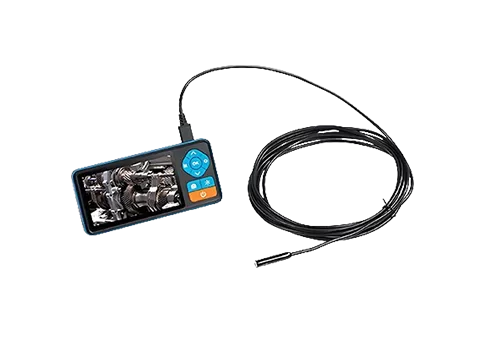
Wall cavity inspection is the systematic visual examination of hidden spaces within walls, ceilings, and floors using specialized tools such as industrial borescopes, wall inspection cameras, and endoscope camera systems. Instead of demolishing sections of a building, technicians insert a slim, flexible probe through small access points (often just 5-10mm in diameter) to capture real-time high-definition video and images of otherwise inaccessible areas.
Key inspection targets typically include:
Moisture intrusion and water damage
Mold growth and biological contamination
Structural cracks or framing deterioration
Electrical wiring issues and insulation damage
Pipe leaks and plumbing problems
Pest infestation (rodents, insects)
Insulation defects and construction debris
Why Wall Cavity Inspection Is Important
Regular cavity wall inspection has become essential for proactive building maintenance. Early detection prevents minor issues from escalating into major structural or safety problems.
| Inspection Objective | Operational Benefit |
|---|
| Leak detection | Prevent water damage and mold |
| Mold inspection | Improve indoor air quality |
| Wiring inspection | Reduce fire and electrical risks |
| Structural assessment | Enhance overall building safety |
| Insulation inspection | Improve energy efficiency |
In commercial buildings, timely wall cavity moisture inspection can avoid costly downtime, insurance claims, and occupant health complaints. For older properties, it helps identify aging infrastructure before failures occur.
Common Problems Found During Wall Cavity Inspection
Wall cavities often conceal issues that remain undetected by surface-level assessments. Professional inspectors using wall cavity inspection cameras frequently discover the following problems:
Water Leaks and Moisture Intrusion
Hidden pipe leaks, condensation within HVAC cavities, and water seepage from roofs or exteriors are among the most common findings. Moisture can travel behind drywall for months before visible stains appear, leading to widespread damage and mold growth.
Mold and Biological Contamination
Poor ventilation combined with undetected moisture creates ideal conditions for mold. Wall cavity inspection reveals hidden colonies that compromise indoor air quality and pose respiratory health risks to occupants.
Structural Damage and Cracks
Wood rot in framing, corrosion of metal supports, and cracking in concrete elements are frequently identified during detailed cavity inspections. These issues can compromise the building’s integrity if left unaddressed.
Electrical Wiring Problems
Damaged insulation, overheating wires, improper installations, and rodent-chewed cables present serious fire hazards. Industrial borescopes allow inspectors to examine wiring runs deep within walls without extensive disassembly.
Pest Infestation and Foreign Objects
Rodents, insects, and leftover construction debris often accumulate in wall cavities. These not only cause physical damage but can also block ventilation or create fire risks.
Challenges of Traditional Wall Inspection Methods
Destructive Inspection Procedures
Cutting large openings in walls for visual checks creates mess, generates debris, requires subsequent repairs, and disrupts normal building operations — especially problematic in occupied commercial or healthcare facilities.
Limited Visibility Inside Confined Spaces
Narrow cavities, complete darkness, and complex internal geometries make traditional flashlights or mirrors ineffective. Many areas remain completely inaccessible without major demolition.
High Labor and Maintenance Costs
Traditional methods demand multiple technicians, extended downtime, and expensive restoration work, significantly inflating overall project costs.
Incomplete Inspection Documentation
Handwritten notes and sporadic photos make it difficult to track issues over time or provide clear evidence for stakeholders and insurance purposes.
How Industrial Borescopes Improve Wall Cavity Inspection
Industrial borescopes have revolutionized hidden wall inspection by enabling true non-destructive remote visual inspection.
Non-Destructive Remote Visual Inspection (RVI)
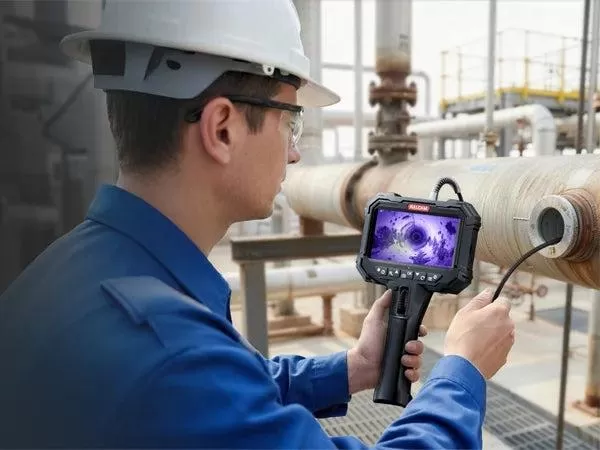
With a small-diameter probe inserted through a minimal access hole, inspectors can navigate deep into wall cavities, around obstacles, and capture detailed footage without structural damage. This approach dramatically lowers repair costs and reduces operational downtime.
High-Definition Imaging for Hidden Defect Detection
Modern industrial wall cavity inspection cameras offer HD or 4K resolution, powerful LED illumination, digital zoom, image capture, and video recording capabilities. These features ensure even tiny cracks, early moisture signs, or subtle wiring issues are clearly visible.
| Detectable Issue | Inspection Capability |
|---|
| Water leakage | Clear moisture visualization |
| Mold growth | Surface contamination detection |
| Wiring damage | Detailed insulation defect inspection |
| Structural cracks | Hidden damage assessment |
| Pest infestation | Real-time internal cavity monitoring |
Flexible Probe Navigation in Narrow Wall Cavities
High-quality systems feature small-diameter probes (as thin as 4-6mm), multi-way articulation, long insertion lengths (up to 30 meters in advanced models), and excellent maneuverability — essential for navigating complex wall structures.
Digital Reporting and Predictive Maintenance
Captured images and videos create permanent digital records. Many systems support cloud integration and AI-assisted analysis, helping teams build comprehensive maintenance histories and shift from reactive to predictive strategies.
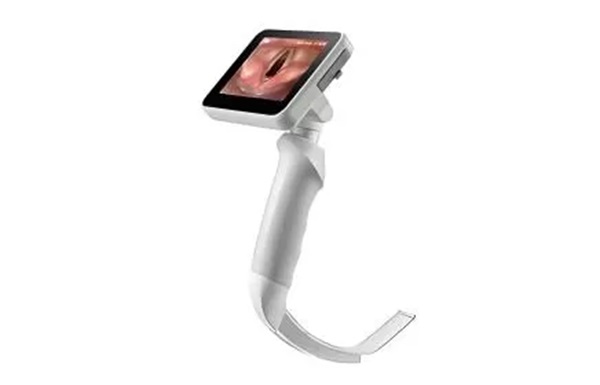
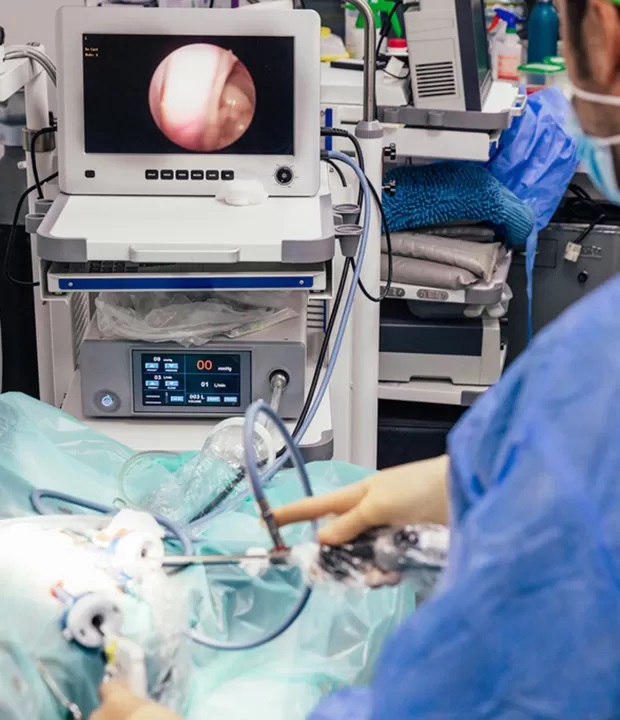
To better understand modern inspection technology, it is important to answer the question: what is an industrial endoscope. An industrial endoscope is a specialized visual inspection instrument designed to access and examine internal areas that are otherwise impossible to see without disassembly or damage. It typically consists of a high-resolution camera probe, flexible insertion tube, and LED illumination system, allowing technicians to perform accurate remote visual inspection (RVI) in confined environments such as wall cavities, pipelines, mechanical systems, and structural assemblies. In wall cavity inspection applications, industrial endoscopes enable real-time detection of moisture, mold, wiring issues, and structural defects with high precision, significantly improving diagnostic efficiency and reducing maintenance costs.
Key Features to Look for in a Wall Cavity Inspection Camera
When selecting the best borescope for wall cavity inspection, focus on these critical features:
Small Probe Diameter
Essential for minimal-invasive access through tight openings while maintaining image quality.
High-Resolution Imaging
HD/4K sensors with superior low-light performance ensure accurate defect identification even in dark cavities.
Flexible Articulation
Advanced 360° or 4-way tip control allows precise navigation around obstacles and multi-angle viewing.
Durable Industrial Design
Waterproof, impact-resistant, and built for daily professional use in demanding environments.
Recording and Connectivity Functions
Wireless transmission, onboard storage, USB export, and reporting software streamline documentation and team collaboration.
Feature Comparison:
| Feature | Consumer Inspection Camera | Industrial Borescope |
|---|
| Image Quality | Standard | HD/4K |
| Probe Flexibility | Limited | Advanced articulation |
| Durability | Consumer-grade | Industrial-grade |
| Inspection Depth | Short | Long-range |
| Reporting Capability | Basic | Professional |
Applications of Wall Cavity Inspection Across Industries
Commercial BuildingsRoutine HVAC cavity inspection, leak prevention, and infrastructure monitoring help maintain tenant satisfaction and asset value.
Industrial FacilitiesUtility line verification, equipment access inspection, and preventive maintenance in harsh environments.
Hospitals and Healthcare BuildingsCritical sterile area monitoring, moisture control to prevent microbial growth, and electrical system verification.
Hotels and Property ManagementProactive plumbing and structural checks that minimize guest disruptions and protect reputation.
Construction and Renovation ProjectsQuality assurance, pre-installation verification, and post-construction defect detection.
Step-by-Step Wall Cavity Inspection Workflow
Step 1 — Inspection PlanningAnalyze building plans, identify likely problem areas, and plan optimal access points.
Step 2 — Equipment PreparationCalibrate the industrial borescope, adjust lighting, and prepare recording devices.
Step 3 — Internal Visual InspectionSystematically scan cavities for defects, moisture, structural integrity, and other concerns.
Step 4 — Documentation and ReportingCapture high-quality images and video, compile findings, and generate professional reports.
Step 5 — Repair and Preventive MaintenanceDevelop action plans, schedule repairs, and establish follow-up inspection schedules.
Future Trends in Wall Cavity Inspection Technology
AI-Assisted Defect Recognition: Automated identification of cracks, moisture, and anomalies.
Robotic Inspection Systems: Crawlers and autonomous devices for larger or more complex cavities.
Wireless and Cloud-Based Platforms: Real-time remote collaboration and centralized data management.
Miniature Endoscope Camera Modules: Ultra-compact OEM solutions for permanent or embedded monitoring systems.
Why Industrial Buyers Choose MAIYIS for Wall Cavity Inspection Solutions
MAIYIS is a professional industrial borescope manufacturer specializing in high-performance visual inspection technologies for building maintenance, HVAC, and confined space applications.
MAIYIS Product Categories
Industrial Borescopes: HD imaging, flexible articulation, long probes, and rugged durability.
Endoscope Camera Modules: Compact OEM solutions ideal for system integration and robotics.
Customized Inspection Systems: Tailored solutions for specific industry challenges.
MAIYIS Commitment to Quality and Innovation
MAIYIS combines precision engineering, strict quality control, and continuous innovation to deliver reliable, long-lasting inspection tools. Our core values — Quality, Ingenuity, and Integrity — drive everything we do.
MAIYIS Advantages:
| MAIYIS Advantage | Customer Value |
|---|
| Industrial-grade manufacturing | Reliable long-term performance |
| OEM/ODM capability | Fully customized solutions |
| Advanced imaging technology | Superior defect detection |
| Strict quality control | Consistent product excellence |
| Engineering support | Faster project deployment |
Ready to upgrade your wall cavity inspection capabilities?
MAIYIS provides professional visual inspection solutions designed for demanding industrial and building maintenance environments. Explore our industrial borescopes, endoscope camera modules, and custom systems to enhance efficiency while minimizing damage and costs.
Contact the MAIYIS team today to discuss your project requirements, OEM/ODM opportunities, or tailored wall cavity inspection solutions.
Frequently Asked Questions About Wall Cavity Inspection
What is wall cavity inspection?It is the non-destructive visual examination of hidden spaces inside walls using inspection cameras or industrial borescopes.
Why are industrial borescopes used for wall cavity inspection?They deliver high-definition views in confined spaces while eliminating the need for destructive wall removal.
What problems can be detected inside wall cavities?Water leaks, mold, wiring damage, structural cracks, pest activity, and insulation failures are commonly identified.
Which industries use wall cavity inspection?Commercial properties, hospitals, industrial plants, hotels, and construction companies rely on this technology.
What features are important in a wall cavity inspection camera?Small probe diameter, HD imaging, articulation, industrial durability, and strong recording/reporting functions.