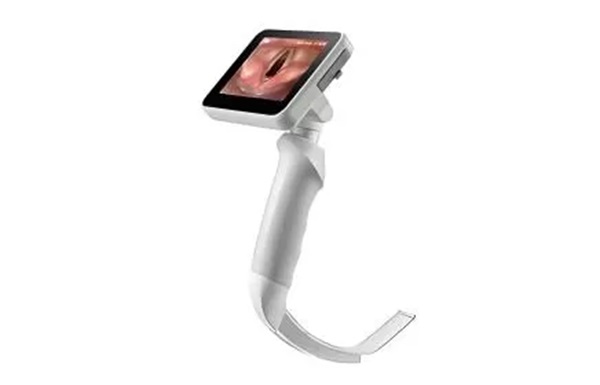
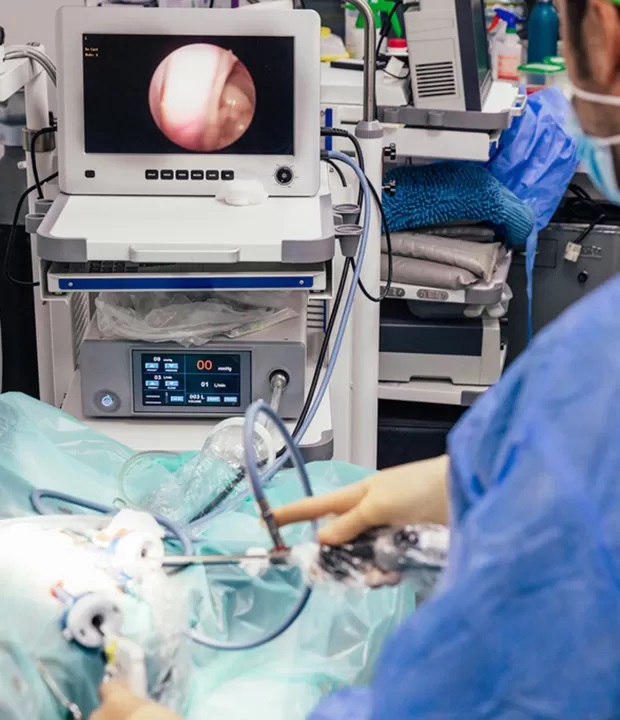
A pipeline endoscope is a powerful tool designed to offer a quick, efficient, and precise method for inspecting the insides of pipes and tubes. Whether you're performing routine maintenance or troubleshooting issues in industrial, commercial, or residential systems, understanding how to effectively use a pipeline endoscope can save you time, money, and potential damage. If you're wondering how to use this device effectively, it's essential to know the steps involved, the key features of the endoscope, and the advantages it offers for pipeline inspection.
Key Features of the MAIYIS Handheld Pipeline Endoscope
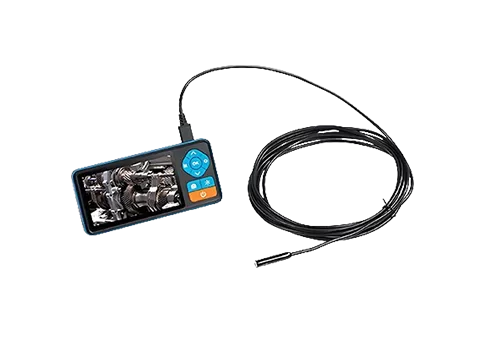
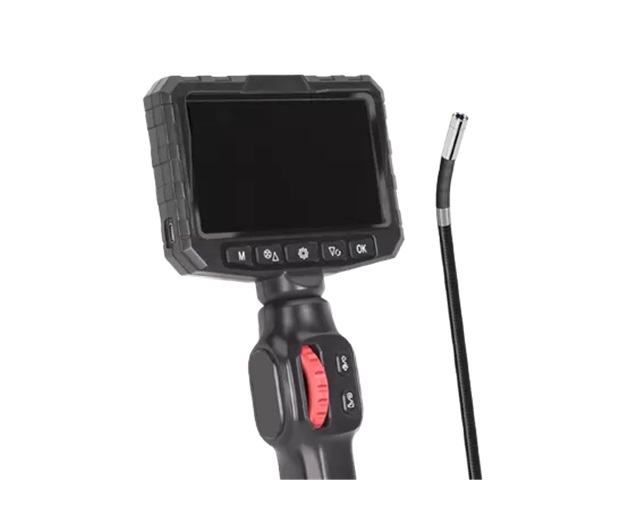
The MAIYIS handheld pipeline endoscope is an innovative device designed to provide real-time inspection of hard-to-reach places such as pipes, walls, and vents. This endoscope features a high-definition camera, flexible cable, and adjustable lighting, which makes it ideal for inspecting small, narrow, or hard-to-access pipelines. The compact and portable design allows users to easily navigate tight spaces and capture detailed images and videos for thorough inspection. By connecting the endoscope to a screen, the device offers a clear view of the pipeline's interior, helping to identify issues like blockages, leaks, corrosion, or structural damage.
The MAIYIS pipeline endoscope's versatility extends beyond simple visual inspections. It's equipped with various tools and attachments that further enhance its usability, making it suitable for a wide range of applications—from home plumbing to industrial system checks. Whether you're a homeowner or a professional plumber, using a pipeline endoscope can significantly improve your inspection process by offering better precision and reducing the need for invasive and costly repairs.
How to Use a Pipeline Endoscope Effectively
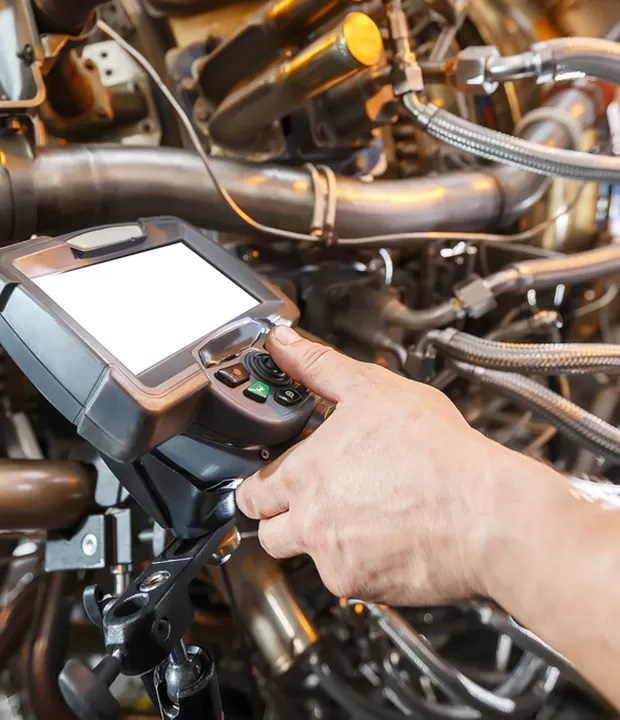
Using a pipeline endoscope is straightforward, but like any tool, it requires understanding its operation to achieve accurate endoscope inspection results. First, ensure that the device is fully charged or connected to a power source if needed. Once powered up, connect the flexible cable with the camera at the tip of the endoscope to the display screen. The camera typically features adjustable lighting to enhance visibility inside dark or cramped spaces.
To begin the inspection, insert the cable into the pipeline. Depending on the length of the cable, you may need to feed it through the pipe carefully, ensuring that it doesn't get stuck or tangled. Adjust the camera's position and lighting for optimal viewing. The high-definition camera will capture images and videos of the interior, allowing you to look for issues such as debris, cracks, or rust. For more detailed analysis, many modern endoscopes allow you to record footage or take snapshots for future reference.
During the inspection, pay attention to any unusual signs, such as discoloration, water buildup, or irregularities in the pipeline's structure. If your pipeline system has multiple bends or turns, ensure the cable is flexible enough to follow the path without resistance. Once the inspection is complete, carefully remove the endoscope and review the captured footage to make any necessary decisions for repairs or further action.
How Does the MAIYIS Handheld Pipeline Endoscope Compare to Other Inspection Methods?
When comparing the MAIYIS handheld pipeline endoscope to traditional inspection methods, several key advantages emerge. Traditional techniques often involve manual labor, extensive disassembly, or reliance on less efficient tools, all of which can result in more time spent on a job. In contrast, the MAIYIS pipeline endoscope allows for a non-invasive inspection that is both quicker and more precise. This reduces the need for unnecessary repairs and eliminates the guesswork involved in diagnosing pipeline issues.
Comparison Table: MAIYIS Handheld Pipeline Endoscope vs. Traditional Methods
Feature | MAIYIS Handheld Pipeline Endoscope | Traditional Inspection Methods |
Ease of Use | Simple, user-friendly interface | Requires more manual effort |
Visibility | High-definition, adjustable lighting | Limited visibility, especially in dark spaces |
Time Efficiency | Fast, immediate results | Time-consuming due to disassembly or manual inspection |
Non-Invasive | No need for disassembly or digging | Often requires cutting or opening pipes |
Portability | Compact and easy to carry | Often bulky and cumbersome |
While traditional methods may still be applicable in certain scenarios, the MAIYIS handheld pipeline endoscope offers a significant leap forward in terms of efficiency, precision, and convenience. For professionals and homeowners alike, this device is an invaluable tool that streamlines the inspection process.
Why Should You Choose the MAIYIS Pipeline Endoscope?
The MAIYIS handheld pipeline endoscope stands out due to its combination of advanced features, affordability, and ease of use. Designed for both professional and personal use, it simplifies pipeline inspections by providing high-quality, real-time visuals of hard-to-reach areas. With a flexible cable and adjustable lighting, the MAIYIS endoscope is tailored to inspect a wide variety of pipelines and systems, whether you're working on a small plumbing issue at home or performing a comprehensive inspection on an industrial system. Choosing the MAIYIS pipeline endoscope means choosing a reliable, efficient, and cost-effective solution for all your pipeline inspection needs.
In conclusion, effectively using a pipeline endoscope requires understanding how to operate the device and taking full advantage of its advanced features. The MAIYIS handheld pipeline endoscope offers an easy and efficient way to inspect pipelines with clarity and accuracy. By following the proper steps and using the device correctly, you can ensure that your pipeline systems are functioning optimally, identify issues early, and perform targeted repairs with confidence.
References:
Pipe Inspection Technologies: An Overview
How to Inspect Pipes Without Breaking the Bank
The Future of Pipeline Monitoring