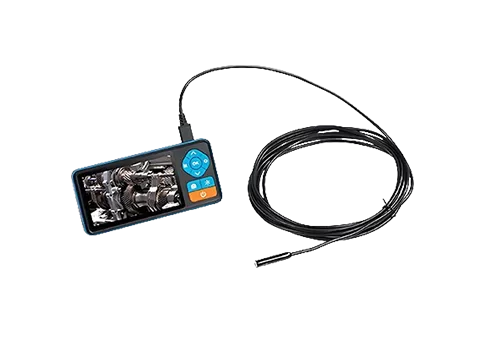
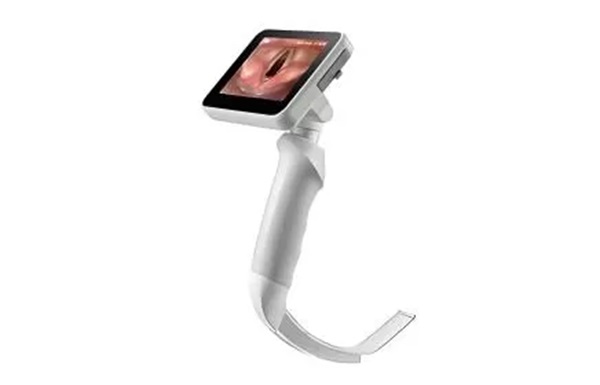
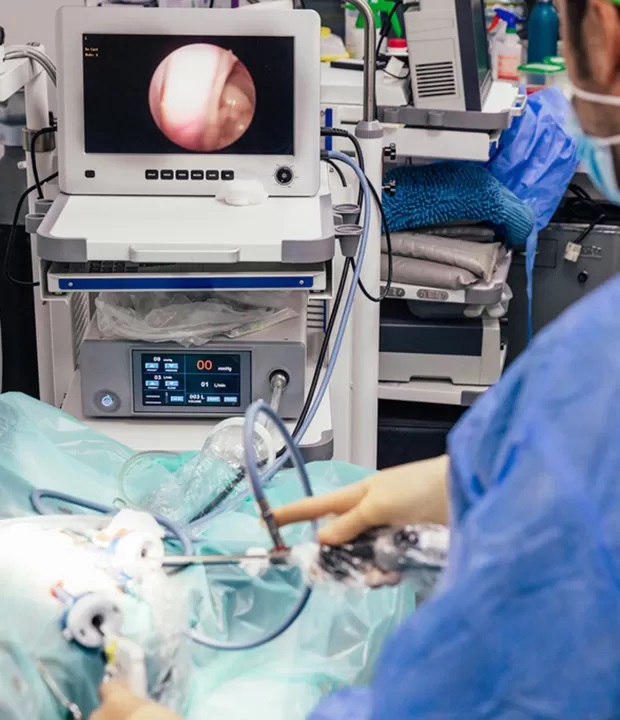
The veterinary laryngoscope is an essential diagnostic tool for examining the upper airway and laryngeal structures in animals. By providing direct visualization of the oral cavity, pharynx, and larynx, veterinary laryngoscopy helps clinicians evaluate respiratory function, identify abnormalities, and support accurate diagnosis of airway-related conditions. Modern veterinary video laryngoscopes and veterinary screen laryngoscopes further enhance examination efficiency by delivering real-time imaging and improved visibility.
Whether for routine airway examination in animals or detailed laryngeal examination in dogs, these advanced tools play a critical role in veterinary respiratory diagnosis.
What Is a Veterinary Laryngoscope?
A veterinary laryngoscope is a specialized medical instrument designed to provide direct visualization of the larynx and upper airway structures in animals. It consists of a handle, a blade or insertion tube, and a light source, with modern versions incorporating video cameras and integrated screens for enhanced viewing.
Veterinary video laryngoscopes work by transmitting high-resolution images from the distal tip of the device to a screen in real time. This allows veterinarians to see detailed anatomy without relying solely on direct line-of-sight through an eyepiece.
Unlike traditional physical examination or indirect methods like radiography, a veterinary screen laryngoscope offers superior direct visualization, leading to higher diagnostic accuracy and better clinical outcomes.
| Examination Method | Visualization Level | Diagnostic Accuracy |
|---|
| Physical Examination | Limited | Moderate |
| Radiography | Indirect | Moderate |
| Veterinary Laryngoscopy | Direct Visualization | High |
Common Veterinary Laryngoscope Applications
Evaluation of Upper Airway Disorders
Veterinary laryngoscope applications are particularly valuable for diagnosing airway obstruction, breathing difficulties, and noisy breathing (stridor). The device allows direct observation of the upper airway structures, helping identify swelling, inflammation, masses, or anatomical abnormalities that may restrict airflow.
Diagnosis of Laryngeal Paralysis
Laryngeal paralysis is a common condition, especially in large-breed dogs such as Labrador Retrievers, Golden Retrievers, and German Shepherds. It occurs when the laryngeal muscles fail to open properly during inhalation. A veterinary video laryngoscope plays a crucial role by allowing real-time observation of vocal fold movement under light anesthesia, confirming the diagnosis with high accuracy.
Assessment of Laryngeal Collapse
Laryngeal collapse involves progressive airway narrowing and tissue collapse, often seen in brachycephalic breeds. Veterinary laryngoscopy enables dynamic evaluation of these changes during the respiratory cycle, helping assess severity and guide surgical interventions.
Detection of Foreign Bodies
Grass awns, food particles, and other objects can cause acute airway obstructions. The veterinary screen laryngoscope provides direct visualization, allowing rapid identification and safe removal, often avoiding more invasive procedures.
Examination of Soft Palate Abnormalities
Conditions like elongated soft palate and brachycephalic airway syndrome are frequently diagnosed using laryngoscopy. Direct viewing helps evaluate the soft palate length, tonsil enlargement, and nasopharyngeal abnormalities common in breeds such as Bulldogs, Pugs, and French Bulldogs.
Pre-Surgical Airway Evaluation
Veterinary laryngoscope applications include pre-surgical planning and anesthetic risk assessment. Thorough airway examination helps veterinarians anticipate complications and prepare appropriate intubation strategies.
Veterinary Laryngoscope Applications by Animal Type
Dogs
In canines, laryngeal examination in dogs is essential for diagnosing laryngeal paralysis, brachycephalic airway syndrome, and airway obstruction. The veterinary video laryngoscope is widely used in both emergency and elective settings.
Cats
Cats benefit from laryngoscopy in cases of upper airway inflammation, laryngeal masses, and foreign body investigation. The smaller anatomy requires precise, high-resolution tools like the veterinary screen laryngoscope.
Horses
In equine medicine, veterinary laryngoscope applications focus on performance-related respiratory disorders and dynamic upper airway examination during treadmill or resting evaluations.
Exotic Animals
For exotic pets such as rabbits, ferrets, and birds, specialized smaller-diameter laryngoscopes enable safe airway assessment in delicate anatomies.
Benefits of Veterinary Video Laryngoscopes
Modern veterinary video laryngoscopes offer significant advantages over traditional tools in airway examination in animals.
Real-Time Visualization
Clear, magnified views of the larynx and upper airway structures on an integrated screen.
Improved Diagnostic Accuracy
High-resolution imaging helps detect subtle lesions and functional abnormalities.
Enhanced Team Collaboration
Multiple team members can view the procedure simultaneously on the screen, improving coordination and training.
Better Documentation
Video recording and image capture support detailed case records and client education.
Reduced Examination Time
Faster and more efficient procedures due to superior visibility.
| Feature | Clinical Benefit |
|---|
| Integrated Screen | Immediate image viewing without needing additional monitors |
| High-Resolution Imaging | Improved visibility and lesion detection |
| Portable Design | Flexible clinical use in various settings |
| Video Output | Excellent case documentation and teaching capabilities |
Choosing the Right Veterinary Laryngoscope
When selecting a veterinary laryngoscope for your practice, consider these key factors:
Image Quality: High-resolution video sensors with excellent lighting.
Screen Size: Larger screens for better team viewing.
Blade Design: Appropriate sizes and shapes for different animal species and breeds.
Portability: Lightweight, battery-operated models for field or mobile use.
Ease of Cleaning: Fully immersible or autoclavable components.
Durability: Robust construction to withstand daily clinical use.
Recommended Equipment for Airway Examination
Veterinary Screen Laryngoscope
Ideal for routine airway exams and comprehensive respiratory assessment. The integrated screen provides excellent real-time visualization for daily practice.
Veterinary Flexible Laryngoscope
Best suited for deeper airway inspection and patients with complex anatomy.
Veterinary Bronchoscope
Recommended for examination of the lower respiratory tract when issues extend beyond the larynx.
Veterinary Laryngoscope vs Veterinary Bronchoscope
| Feature | Laryngoscope | Bronchoscope |
|---|
| Examination Area | Upper Airway (Larynx & Pharynx) | Lower Airway (Trachea & Bronchi) |
| Typical Use | Larynx Evaluation | Bronchial Examination |
| Procedure Complexity | Lower | Higher |
Frequently Asked Questions
What is a veterinary laryngoscope used for?
A veterinary laryngoscope is used for direct visualization of the upper airway, larynx, and surrounding structures to diagnose respiratory conditions and support procedures.
What conditions can be diagnosed with laryngoscopy?
Common conditions include laryngeal paralysis, laryngeal collapse, brachycephalic airway syndrome, foreign bodies, and soft palate abnormalities.
Is veterinary laryngoscopy safe?
Yes, when performed by trained professionals under appropriate anesthesia, it is a safe and minimally invasive procedure.
What is the difference between a laryngoscope and a bronchoscope?
A laryngoscope focuses on the upper airway and larynx, while a bronchoscope is designed for deeper examination of the trachea and bronchi.
When should a dog undergo laryngoscopy?
Dogs with noisy breathing, exercise intolerance, voice changes, or suspected laryngeal paralysis should be evaluated with laryngoscopy.
Can laryngoscopy help diagnose laryngeal paralysis?
Yes, it is the gold standard for confirming laryngeal paralysis through dynamic visualization of vocal fold movement.
What are the advantages of a veterinary video laryngoscope?
Key advantages include real-time screen viewing, better image quality, team collaboration, and superior documentation.
How long does a laryngoscopic examination take?
Most procedures take 5–15 minutes, depending on the complexity and whether samples or interventions are required.
Contact our team for more information on advanced veterinary video laryngoscope solutions designed for modern veterinary respiratory diagnosis.