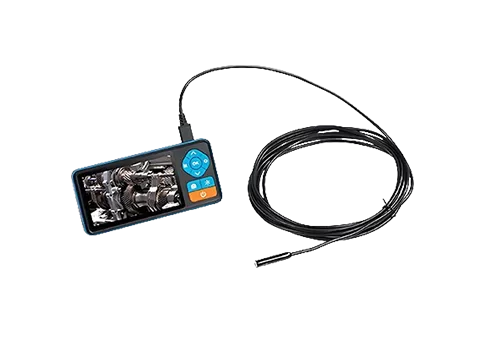
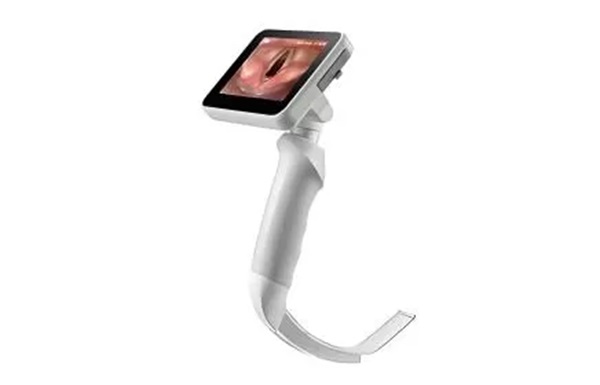
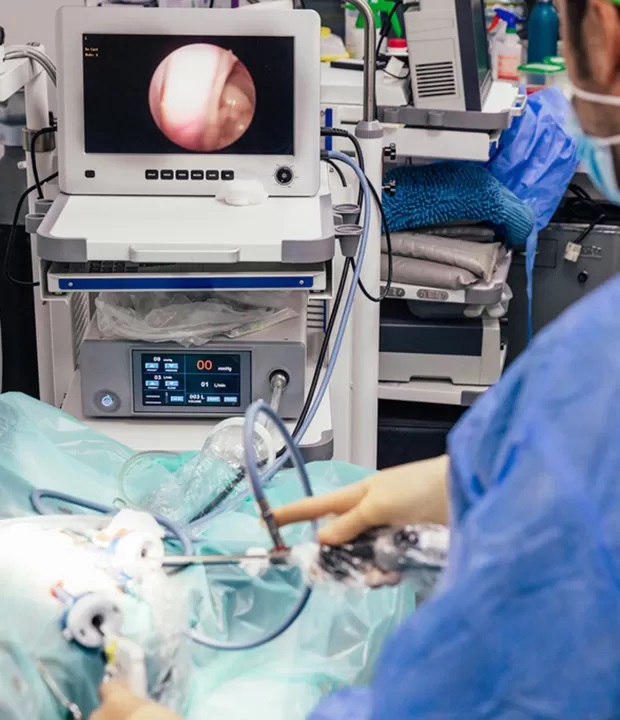
Transmission systems, including gearboxes and drivetrains, serve as the heart of power delivery in vehicles, heavy machinery, marine vessels, and industrial equipment. These precision-engineered assemblies operate under relentless mechanical stress — high torque loads, constant friction, intense heat, and repeated gear meshing. Over time, even minor issues like gear wear, lubrication breakdown, or bearing fatigue can escalate into major failures, resulting in costly repairs and extended downtime.
Traditional inspection methods typically demand full or partial disassembly, leading to high labor costs, prolonged operational interruptions, and increased risk of reassembly errors. Fortunately, industrial borescopes and Remote Visual Inspection (RVI) technologies have transformed the field. These tools allow maintenance teams to perform thorough transmission system inspection quickly, accurately, and without invasive teardown.
By adopting advanced gearbox inspection borescope solutions, engineers can detect hidden problems early, enhance diagnostic precision, support predictive maintenance programs, and significantly boost overall equipment reliability across demanding applications.
What Is Transmission System Inspection?
Definition of Transmission System Inspection
Transmission system inspection is the comprehensive evaluation of internal gearbox and drivetrain components using specialized diagnostic tools like industrial borescopes. This approach enables detailed visual assessment of critical parts without the need for full disassembly.
Key inspection areas typically include gear teeth condition, bearing surfaces, shafts and splines, synchronizers (in manual transmissions), transmission housing integrity, and overall lubrication condition. Modern transmission inspection camera systems provide real-time high-definition views deep inside complex assemblies, revealing issues that would otherwise remain hidden until failure occurs.
Why Transmission Inspection Is Important
Regular transmission system inspection delivers substantial operational and financial advantages. It helps prevent unexpected gearbox failures that can halt production lines or leave vehicles stranded. Early detection dramatically reduces repair costs by addressing minor wear before it progresses to catastrophic damage. Consistent inspections also improve vehicle or machinery reliability, extend the service life of expensive transmission components, and form the foundation of effective predictive maintenance strategies.
| Inspection Objective | Operational Benefit |
|---|
| Gear wear detection | Prevent mechanical failure |
| Oil contamination check | Improve lubrication efficiency |
| Bearing inspection | Reduce breakdown risk |
| Crack detection | Avoid catastrophic damage |
| Debris monitoring | Improve system reliability |
Common Problems Found During Transmission System Inspection
Transmission system inspection with borescopes consistently uncovers a range of issues that external checks or basic oil analysis might miss. Identifying these problems early is crucial for maintaining performance and preventing costly breakdowns.
Gear Tooth Wear and Pitting
Gear teeth endure constant meshing under high loads, leading to surface fatigue, pitting, and uneven contact patterns. These conditions reduce transmission efficiency, generate excessive noise and vibration, and can eventually cause tooth breakage if left unmonitored. Borescope inspection reveals microscopic wear patterns long before they affect performance noticeably.
Lubrication Failure and Oil Contamination
Degraded oil, metal particles from wear, sludge buildup, and contamination accelerate friction and overheating. Inspectors frequently discover discolored oil, excessive metallic debris, and varnish deposits that signal impending lubrication failure and increased risk of component seizure.
Bearing Damage and Misalignment
Worn or damaged bearings produce vibration, noise, and shaft instability. Early signs include pitting, spalling, discoloration, or improper seating. Misalignment issues, often resulting from housing distortion or installation errors, become clearly visible during internal visual inspection.
Cracks in Gear Housing
Structural cracks in the transmission housing can lead to weakening, oil leakage, and eventual catastrophic failure. These defects often develop from stress concentrations, manufacturing flaws, or operational overload and are difficult to detect without remote visual tools.
Foreign Object Damage (FOD)
Debris, metal shavings, or external contaminants entering the system can cause immediate gear jamming or progressive damage. Gearbox inspection borescope tools excel at locating and documenting such foreign objects before they cause sudden breakdowns.
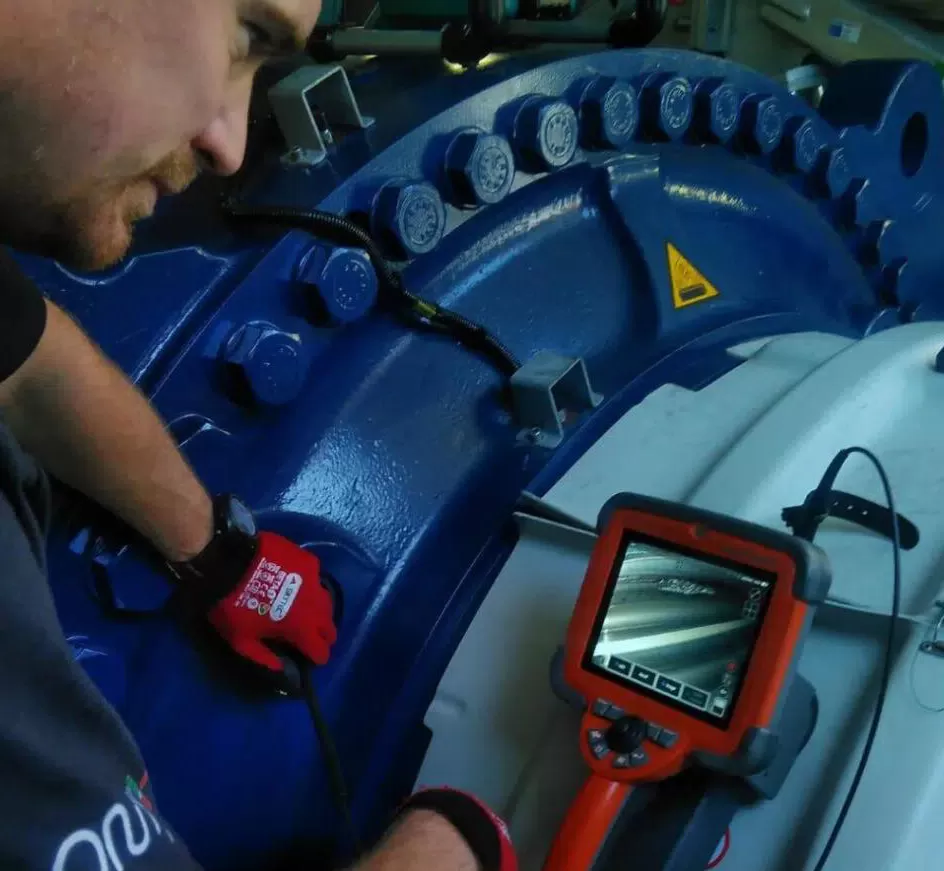
Challenges of Traditional Transmission Inspection Methods
Conventional inspection approaches present significant limitations in today's high-efficiency industrial environments.
Full Disassembly Requirement
Teardown procedures are extremely time-consuming, require specialized tools and skilled technicians, and generate substantial production downtime. Reassembly also carries risks of introducing new issues or improper torque specifications.
Limited Internal Visibility
Complex internal gear structures, narrow passages, and tightly packed components make it nearly impossible to inspect critical areas thoroughly with traditional flashlights or mirrors.
High Maintenance Costs
Beyond direct labor and parts expenses, traditional methods involve long repair cycles, inventory of spare components, and potential loss of revenue during extended equipment outages.
Lack of Digital Inspection Records
Manual inspections often lack comprehensive visual documentation, leading to inconsistent reporting, poor traceability for compliance, and difficulty in tracking wear progression over time.
How Industrial Borescopes Improve Transmission System Inspection
Industrial borescopes have become indispensable for modern drivetrain inspection and gearbox diagnostics.
Non-Destructive Gearbox Inspection (RVI)
Industrial borescope transmission inspection allows access through small existing ports or minimal openings, eliminating the need for disassembly. This results in sharply reduced downtime, lower overall maintenance costs, faster diagnostic cycles, and a much safer inspection process for technicians.
High-Definition Imaging for Gear Defect Detection
Today's advanced systems deliver crisp HD or 4K resolution, powerful adjustable LED lighting, digital zoom, video recording, and still image capture capabilities. These features ensure even the smallest surface defects, oil conditions, and wear patterns are clearly documented.
| Detectable Issue | Inspection Capability |
|---|
| Gear wear | Surface degradation analysis |
| Oil contamination | Fluid condition monitoring |
| Bearing damage | Structural failure detection |
| Crack formation | Early failure prevention |
| Debris accumulation | System blockage detection |
Flexible Probe Access in Complex Gear Systems
Long insertion tubes, highly articulated probe tips, multi-angle viewing, and compact designs enable inspectors to navigate intricate gear layouts and reach deep into transmissions with precision.
Digital Documentation and Predictive Maintenance
Modern borescopes support comprehensive image and video storage, trend tracking across multiple inspections, AI-assisted diagnostics, and predictive failure analysis. This data-driven approach transforms maintenance from reactive to proactive.
Beyond gearbox diagnostics, advanced pipeline inspection endoscope technologies are becoming essential tools for inspecting transmission-related pipelines, hydraulic channels, lubrication systems, and other hard-to-reach industrial components. With the growing demand for efficient field maintenance, the IPS handheld digital endoscope provides maintenance engineers with real-time HD imaging, flexible probe articulation, and portable operation for rapid on-site inspections. Compared with traditional inspection methods, a modern portable endoscope system significantly improves inspection efficiency, minimizes equipment downtime, and supports predictive maintenance through accurate visual diagnostics and digital reporting capabilities. These advanced inspection solutions are widely adopted across automotive manufacturing, power generation, marine engineering, and heavy industrial maintenance applications where reliability and operational safety are critical.
Key Features to Look for in a Transmission Inspection Camera
Selecting the right transmission inspection camera or best borescope for transmission system inspection is critical for reliable results in harsh environments.
Probe Diameter and Flexibility
Small-diameter probes that can reach deep into gearboxes while maintaining excellent maneuverability are essential for accessing tight spaces without disassembly.
High-Resolution Imaging
HD/4K sensors with superior low-light performance deliver clear visuals even in oil-covered or dimly lit internal environments.
Oil and Heat Resistance
Probes must withstand exposure to lubricants, high temperatures, and potential chemical degradation common inside operating transmissions.
Articulation Capability
Advanced articulation allows precise navigation around gears, shafts, and bearings for complete multi-direction inspection coverage.
Recording and Connectivity
Wireless capabilities, cloud reporting, and easy data export features streamline documentation and team collaboration.
Comparison Table:
| Feature | Basic Camera | Industrial Borescope |
|---|
| Imaging | Standard | HD/4K |
| Durability | Low | Industrial-grade |
| Flexibility | Limited | High articulation |
| Inspection Depth | Short | Long-range |
| Reporting | Basic | Professional |
Applications of Transmission System Inspection Across Industries
Transmission system inspection serves diverse sectors where reliability is non-negotiable.
Automotive Industry
From passenger vehicles to commercial fleets, automotive transmission inspection supports quality control, warranty assessments, and routine maintenance diagnostics.
Heavy Machinery
Construction, mining, and agricultural equipment rely on robust drivetrain inspection to maintain productivity and safety under extreme conditions.
Marine Systems
Propulsion gearboxes in ships and offshore vessels benefit from regular gear system inspection, particularly for corrosion monitoring in harsh saltwater environments.
Industrial Manufacturing
Automated production lines and heavy machinery require consistent industrial borescope transmission inspection to minimize unplanned stops.
Energy and Power Systems
Wind turbines, generators, and power transmission equipment use borescope diagnostics to ensure continuous operation and safety of critical gearboxes.
Step-by-Step Transmission System Inspection Workflow
Step 1 — Inspection PlanningAnalyze the specific transmission system, identify target components, and select appropriate access points.
Step 2 — Equipment SetupCalibrate the borescope, adjust lighting intensity, and prepare recording settings for optimal results.
Step 3 — Internal InspectionSystematically scan gear surfaces, bearings, and housings while documenting any anomalies in real time.
Step 4 — DocumentationCapture high-quality images and videos, classify defects by severity, and compile comprehensive reports.
Step 5 — Maintenance DecisionPrioritize necessary repairs, develop preventive maintenance schedules, and plan follow-up inspections.
Future Trends in Transmission System Inspection Technology
The industry continues to evolve with smarter, more automated solutions.
AI-Based Gear Defect Detection
Automated wear measurement, pattern recognition, and predictive diagnostics reduce reliance on subjective interpretation.
Robotic Inspection Systems
Autonomous borescope crawlers and robotic systems enable consistent, repeatable internal scanning with minimal human intervention.
Cloud-Based Maintenance Platforms
Centralized data management allows remote expert collaboration and integrated fleet-wide predictive analytics.
Miniature Endoscope Camera Modules
OEM inspection camera modules facilitate embedded monitoring and integration into next-generation transmission designs.
Why Industrial Buyers Choose MAIYIS for Transmission System Inspection Solutions
Professional Industrial Borescope Manufacturer
MAIYIS specializes in high-performance industrial borescopes and advanced visual inspection technologies tailored for transmission systems, automotive maintenance, industrial machinery, and drivetrain diagnostics.
MAIYIS Product Categories
Industrial Borescope: HD inspection capability, flexible articulation, long-distance access, and rugged industrial durability.
Veterinary Endoscopes: Precision imaging systems adaptable for specialized uses.
Endoscope Camera Module: OEM integration support with compact industrial designs.
Endoscope Application Solutions: Customized inspection systems designed for specific industry challenges.
MAIYIS Commitment to Quality and Innovation
MAIYIS stands for Quality — delivering stable performance through strict quality control, Innovation in developing cutting-edge industrial vision technologies, Integrity through transparent long-term partnerships, comprehensive lifecycle Quality Control, and Social Responsibility via sustainable manufacturing practices.
Why Global Customers Work With MAIYIS
| MAIYIS Advantage | Customer Value |
|---|
| Industrial manufacturing | Long-term reliability |
| OEM/ODM capability | Custom solutions |
| Advanced imaging | Accurate diagnostics |
| Strict QC system | Stable quality |
| Technical support | Faster deployment |
Explore MAIYIS Transmission Inspection Solutions
Looking for a reliable industrial borescope for transmission system inspection? MAIYIS provides professional-grade solutions engineered for gearbox diagnostics and drivetrain maintenance in the most demanding environments.
Explore our full range of industrial borescopes, endoscope camera modules, and customized inspection systems to dramatically improve maintenance efficiency while reducing costly downtime.
Contact the MAIYIS team today for OEM/ODM cooperation, detailed technical consultation, or tailored solutions for your specific transmission inspection needs.