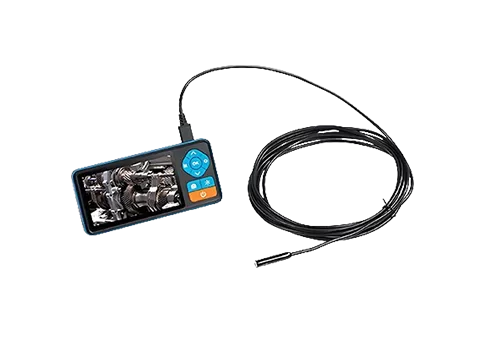
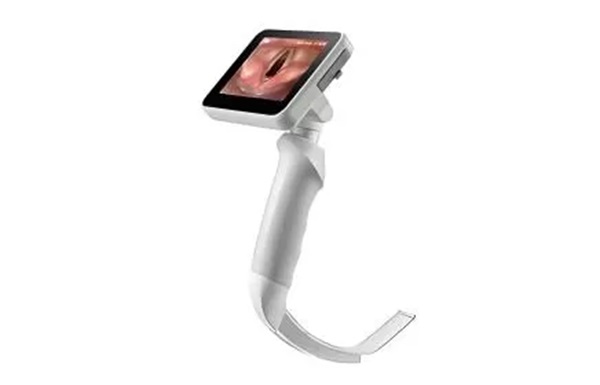
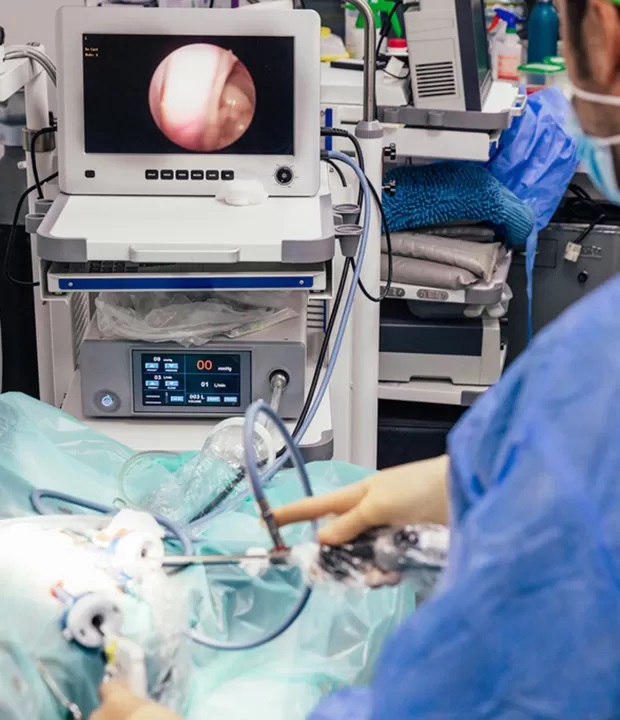
Fuel systems are the lifeline of engines across automotive, aviation, marine, heavy equipment, and industrial power generation sectors. They must deliver clean, uncontaminated fuel at precise pressures and volumes under demanding conditions. Over time, fuel tanks, injectors, lines, pumps, and filters accumulate issues such as corrosion, sediment buildup, water intrusion, carbon deposits, and blockages that can lead to reduced performance, engine misfires, increased emissions, or catastrophic failures.
Traditional inspection methods often require partial or full disassembly, tank draining, and extended downtime, which drive up costs and operational risks. Today, industrial borescopes and Remote Visual Inspection (RVI) technologies provide a fast, safe, and completely non-destructive alternative for thorough fuel system inspection. These tools allow maintenance teams to visualize internal conditions in real time through small access points, supporting early defect detection and predictive maintenance strategies.
By implementing advanced fuel system inspection with borescopes, organizations achieve higher reliability, lower maintenance expenses, improved safety, and extended service life of critical fuel delivery components.
What Is Fuel System Inspection?
Definition of Fuel System Inspection
Fuel system inspection involves the detailed visual and diagnostic evaluation of fuel storage tanks, delivery lines, injectors, pumps, filters, and related components to assess their internal condition, cleanliness, and integrity. Modern approaches rely heavily on industrial borescopes and high-resolution transmission inspection cameras (adapted for fuel environments) to perform non-invasive assessments without draining systems or major disassembly.
Typical inspection targets include tank interiors for corrosion and sediment, injector nozzles for clogging or wear, fuel lines for blockages or degradation, and filters for contamination buildup.
Why Fuel System Inspection Is Important
Consistent inspection helps organizations prevent fuel contamination from reaching engines, avoid injector failures that cause misfires and power loss, reduce the risk of fuel leaks that pose fire or environmental hazards, and maintain optimal combustion efficiency. It also extends component lifespan, ensures regulatory compliance (especially in aviation and marine sectors), and supports data-driven predictive maintenance programs that minimize unplanned downtime.
| Inspection Objective | Operational Benefit |
|---|
| Contamination detection | Prevent engine damage |
| Corrosion assessment | Avoid leaks and structural failure |
| Injector condition check | Maintain fuel efficiency |
| Water intrusion monitoring | Reduce microbial growth and corrosion |
| Blockage and debris check | Ensure consistent fuel flow |
Common Problems Found During Fuel System Inspection
Fuel system inspection using borescopes frequently reveals hidden issues that external checks or basic sampling cannot detect. Early identification prevents escalation into costly repairs.
Fuel Tank Corrosion and Sediment Buildup
Fuel tanks, especially in vehicles, boats, or storage systems, develop internal rust, scale, and sludge over time. Residual fuel, condensation, and contaminants accelerate this process, leading to debris that clogs downstream components.
Injector Clogging and Carbon Deposits
Fuel injectors suffer from carbon buildup, varnish, and particulate clogging caused by poor-quality fuel or incomplete combustion. This results in poor spray patterns, uneven fuel delivery, misfires, and increased emissions. Borescopes excel at inspecting nozzle tips and internal passages.
Water Intrusion and Microbial Contamination
Water entering through condensation or compromised seals promotes rust and microbial growth (“diesel bug”), which produces corrosive acids and biomass that block filters and lines.
Fuel Line Degradation and Blockages
Rubber or metal fuel lines can crack, corrode internally, or accumulate debris, restricting flow and causing pressure issues or leaks.
Foreign Object Debris (FOD) and Filter Issues
Debris, metal shavings, or external contaminants can enter during refueling or maintenance, leading to injector damage or system-wide blockages.
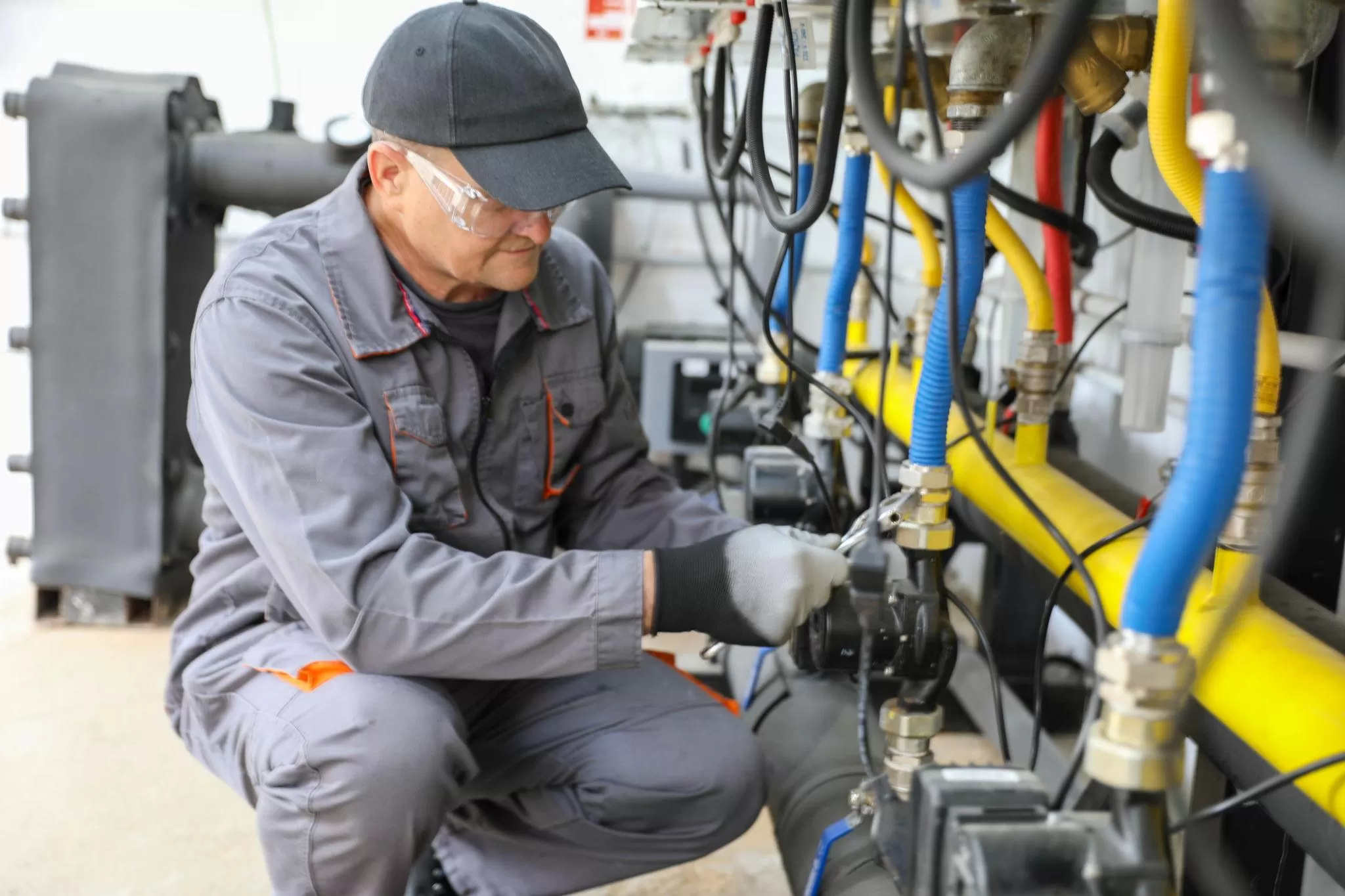
Challenges of Traditional Fuel System Inspection Methods
Conventional approaches present notable limitations in modern maintenance environments.
Invasive Disassembly and System Draining
Draining large tanks or disassembling injector rails is labor-intensive, time-consuming, and creates opportunities for new contamination during reassembly.
Limited Visibility in Confined Spaces
Complex routing of fuel lines, internal tank baffles, and small injector passages make thorough visual checks nearly impossible with basic tools.
Safety and Environmental Risks
Working with flammable fuels requires strict safety protocols. Draining and opening systems increases spill risks and exposure to hazardous vapors.
High Costs and Downtime
Extended equipment unavailability, specialized labor, and potential part replacement drive up expenses significantly.
How Industrial Borescopes Improve Fuel System Inspection
Industrial borescopes have revolutionized fuel system inspection by enabling precise, non-destructive internal diagnostics.
Non-Destructive Remote Visual Inspection (RVI)
Borescopes insert through filler necks, access ports, or existing openings to deliver real-time views without system teardown. Benefits include dramatically reduced downtime, lower costs, enhanced safety, and more frequent inspection intervals.
High-Definition Imaging for Precise Defect Detection
Advanced models offer HD/4K resolution, powerful LED illumination, digital zoom, image capture, and video recording — essential for documenting subtle corrosion, deposits, or spray pattern issues even in dark, reflective fuel environments.
| Detectable Issue | Inspection Capability |
|---|
| Tank corrosion | Internal surface degradation analysis |
| Injector clogging | Nozzle and passage condition monitoring |
| Water contamination | Liquid layering and microbial detection |
| Line blockages | Debris and restriction visualization |
| Seal and gasket failure | Early leak path identification |
Flexible Probe Navigation in Complex Fuel Systems
Small-diameter, articulated probes with long reach and chemical-resistant sheathing navigate tight bends in lines and reach deep into tanks or injectors.
Digital Documentation and Predictive Maintenance
Captured media supports trend analysis, maintenance records, compliance reporting, and integration with AI tools for automated defect recognition.
In modern maintenance operations, the use of a portable endoscope camera has significantly improved the efficiency and flexibility of fuel system inspection. Designed for field diagnostics and on-site troubleshooting, a portable endoscope camera allows technicians to quickly access fuel tanks, injectors, and fuel lines without requiring bulky equipment or complex setup procedures. With high-definition imaging, strong LED illumination, and flexible probe design, it provides real-time visualization of internal conditions even in dark, reflective, or fuel-contaminated environments. Compared with traditional inspection tools, a portable endoscope camera enables faster deployment, improved mobility, and more accurate defect detection, making it an essential tool for automotive workshops, aviation maintenance teams, marine engineers, and industrial fuel system operators.
Key Features to Look for in a Fuel System Inspection Camera
Selecting the right tool is critical for reliable results in fuel environments.
Small Probe Diameter and Chemical Resistance
Narrow probes (often 4-8mm) with fuel- and corrosion-resistant materials access tight spaces safely.
High-Resolution Imaging and Lighting
HD/4K sensors with adjustable bright LEDs overcome reflections and low-light conditions inside tanks and lines.
Articulation and Reach
Multi-way articulation and extended lengths allow comprehensive coverage of baffles, corners, and long pipe runs.
Explosion-Proof and Rugged Design
Certified models for hazardous (explosive) atmospheres are essential for fuel tank work.
Recording and Connectivity
Wireless options, cloud upload, and detailed annotation features streamline professional reporting.
Comparison Table:
| Feature | Basic Camera | Industrial Borescope |
|---|
| Imaging Quality | Standard | HD/4K with superior lighting |
| Chemical Resistance | Limited | Fuel/oil resistant |
| Articulation | Basic or none | Advanced multi-direction |
| Hazardous Area Safety | Not certified | Explosion-proof options |
| Reporting Capabilities | Minimal | Professional documentation |
Applications of Fuel System Inspection Across Industries
Fuel system inspection is vital wherever reliable fuel delivery is critical.
Automotive and Transportation
Routine diagnostics for passenger vehicles, trucks, and fleets to maintain performance and emissions compliance.
Aviation
Stringent safety requirements make borescope inspection of aircraft fuel tanks, lines, and nozzles essential during maintenance checks.
Marine and Offshore
Saltwater environments accelerate corrosion in boat and ship fuel systems; regular inspection prevents failures at sea.
Industrial Power and Heavy Equipment
Diesel generators, mining machinery, and construction equipment rely on clean fuel systems for continuous operation.
Energy Sector
Fuel storage and delivery systems in power plants benefit from non-destructive monitoring to ensure reliability.
Step-by-Step Fuel System Inspection Workflow
Step 1 — Inspection PlanningReview system schematics, identify access points, assess risks, and prepare safety measures.
Step 2 — Equipment PreparationCalibrate the borescope, select appropriate probe, adjust lighting, and test recording functions. Use explosion-proof models when required.
Step 3 — Internal Visual InspectionSystematically examine tanks for sediment and corrosion, injectors for deposits, and lines for blockages while documenting findings.
Step 4 — Documentation and AnalysisCapture images/videos, classify defects by severity, and generate detailed reports with timestamps and annotations.
Step 5 — Maintenance Decision & Follow-upPrioritize cleaning, repairs, or replacements and schedule next inspection based on condition trends.
Future Trends in Fuel System Inspection Technology
AI-Based Defect Recognition
Automated identification of corrosion levels, deposit thickness, and anomaly patterns speeds up analysis and improves consistency.
Robotic and Crawler Systems
Autonomous probes for large storage tanks and long pipeline networks reduce human exposure in hazardous areas.
Cloud-Based Data Management
Centralized platforms enable remote expert review and fleet-wide predictive analytics.
Miniature OEM Endoscope Camera Modules
Compact modules for permanent or semi-permanent integration into fuel systems for real-time monitoring.
Why Industrial Buyers Choose MAIYIS for Fuel System Inspection Solutions
Professional Industrial Borescope Manufacturer
MAIYIS specializes in industrial borescopes and advanced visual inspection technologies for fuel systems, automotive maintenance, aviation safety, marine engineering, and industrial energy systems.
MAIYIS Product Categories
Industrial Borescope: HD fuel system inspection capability, flexible probe design, long-reach industrial access, and robust durability.
Veterinary Endoscopes: Precision imaging systems adaptable for specialized diagnostics.
Endoscope Camera Module: OEM integration support with compact industrial vision modules.
Endoscope Application Solutions: Customized inspection systems and industry-specific diagnostic solutions.
MAIYIS Commitment to Quality and Innovation
MAIYIS upholds Quality through a strict lifecycle QC system that ensures reliable performance, Innovation via continuous advancement in industrial vision technology, Integrity with long-term transparent partnerships, a Quality Control zero-defect engineering philosophy, and Social Responsibility through sustainable and responsible manufacturing practices.
Why Global Customers Work With MAIYIS
| MAIYIS Advantage | Customer Value |
|---|
| Industrial manufacturing | Long-term reliability |
| OEM/ODM capability | Custom solutions |
| Advanced imaging systems | Accurate diagnostics |
| Strict quality control | Stable performance |
| Technical support | Faster deployment |
Explore MAIYIS Fuel System Inspection Solutions
Looking for a reliable industrial borescope for fuel system inspection? MAIYIS provides professional-grade inspection solutions for fuel tanks, injectors, and fuel line diagnostics in the most challenging environments.
Explore our Industrial Borescope, Endoscope Camera Modules, and customized inspection systems to improve fuel system reliability while reducing maintenance downtime and operational risks.
Contact MAIYIS today for OEM/ODM cooperation, technical consultation, or tailored solutions for your specific fuel system inspection needs.